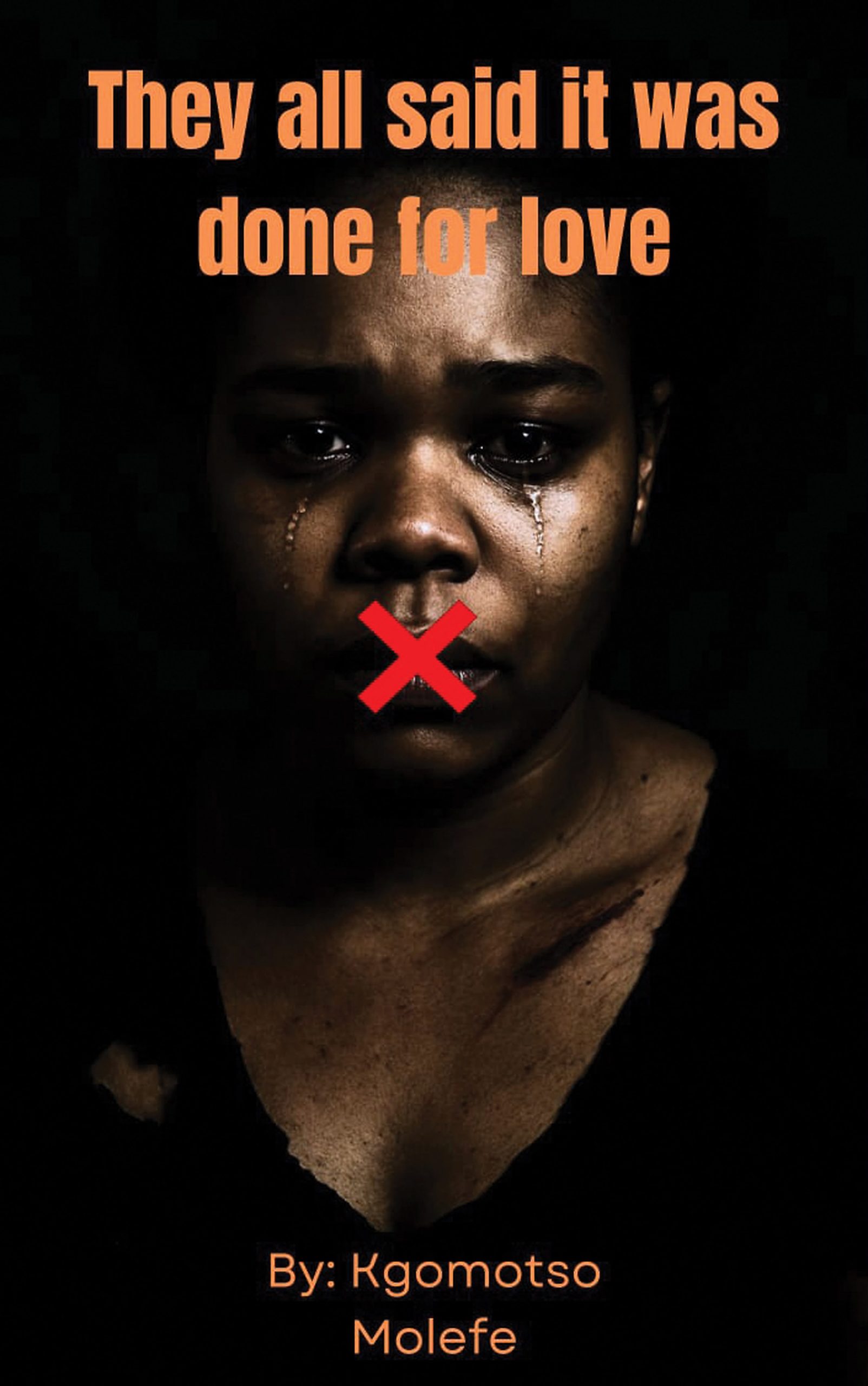
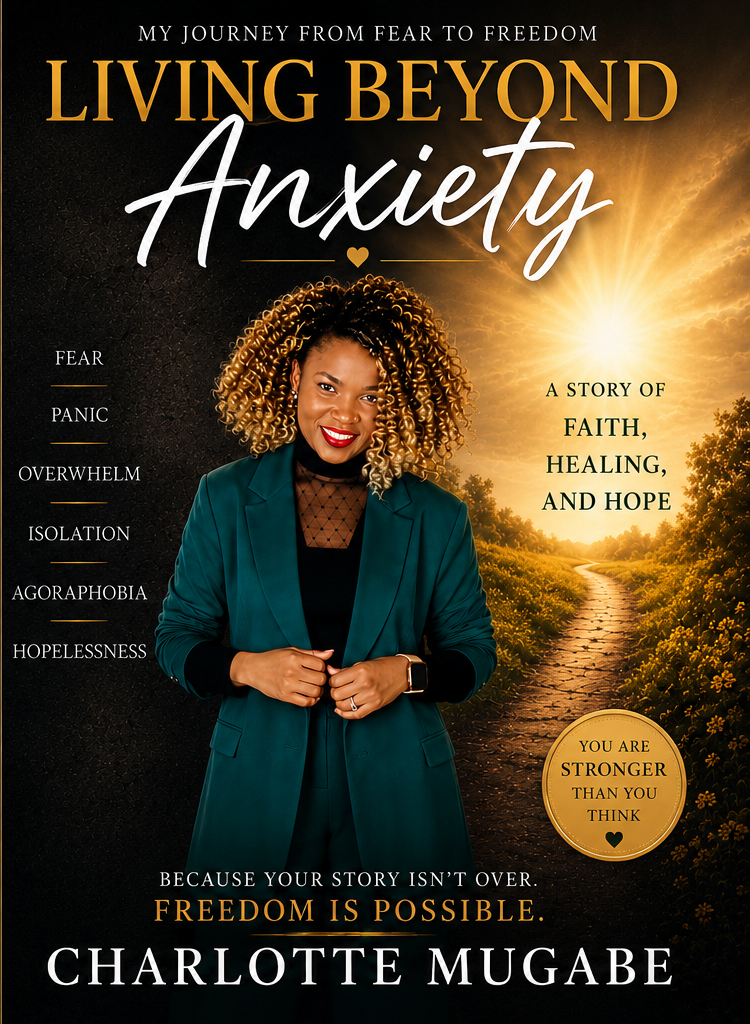
There is a particular kind of silence that surrounds mental illness in many African churches – the silence of believers who are suffering but afraid that naming their struggle will be read as a failure of faith. Living Beyond Anxiety speaks directly into that silence. Charlotte Mugabe, founder of the Botswana-based platform “All Things Anxiety Disorder,” has written a memoir that refuses to separate the clinical from the spiritual, insisting instead that both belong in the same conversation about healing.
Mugabe does not soften her account of what anxiety and agoraphobia did to her life. She writes as a woman who went from high-functioning entrepreneur to someone who could not use the bathroom alone, who moved her children’s bunk beds into her own room because she could not bear to be unwatched, who lost weight and lost her sense of safety in her own body. It is a difficult descent to read, but it is told with a self-deprecating warmth that keeps the book from tipping into despair. Her description of the bird outside her window each morning, an “alarm clock” she half-believed God had hired to make her face another day, is a small, human detail that does a lot of work: it shows humour surviving inside crisis.
The book’s real contribution is structural rather than anecdotal. Mugabe reframes psychiatric treatment and medication as an act of “wisdom and courage” rather than spiritual weakness, positioning the psychiatrist’s office as a place where God’s healing can work through science rather than in competition with it. For readers who have been taught, explicitly or implicitly, that real faith should make medication unnecessary, this reframe functions as what her reviewer calls a “theological green light”: permission to pursue clinical help without abandoning belief.
This is not a small thing in communities where the first explanation offered for unexplained suffering is spiritual attack. Mugabe is candid that the thought of being “bewitched” crossed her own mind when medical tests kept returning normal. Naming that impulse, rather than pretending it never occurred to her, gives the book credibility with exactly the readers who need to hear the rest of her argument.
Where the book is strongest is in its refusal to offer a single-cause explanation or a single-step cure. Mugabe’s “bucket” metaphor, stress accumulating until the bucket overflows, resists the idea that anxiety has one clean trigger. Recovery, in her telling, draws on five things working together: professional diagnosis, medication, scripture, family caregiving, and self-compassion. None is presented as sufficient alone.
Two chapters stand out for their practical clarity. In “The World’s Worst Personal Assistant,” she casts anxiety as an employee with a terrible track record, always urgent, rarely accurate, whose reports can be heard without being obeyed. In “Anxious Thoughts Are Not Commands,” she offers a three-step process, acknowledge, question, choose, that gives readers something concrete to do the next time a thought demands action it has not earned. The later chapters on identity, the shift from “an anxious person” to “a person experiencing anxiety,” extend this into something more lasting: a way of holding the illness without letting it hold the pen on one’s own story.
What distinguishes Living Beyond Anxiety from the broader shelf of faith-based mental health memoirs is its specific cultural grounding. Mugabe writes from within a Botswana context, with her husband, children, and niece named as the scaffolding that carried her through the agoraphobic phase of her illness. That specificity matters. It means the book is not a Western template with African details added afterwards, but an account written from inside the cultural pressures, the “bewitched” question among them, that many readers on the continent will recognise immediately.
The book’s strength, its integration of faith language throughout, is also where readers outside Mugabe’s particular Christian tradition may feel less at home; this is unmistakably a book written for believers, and it does not pretend otherwise. Readers looking for a purely clinical account of panic disorder and its treatment will want to supplement this with other resources.
Living Beyond Anxiety succeeds at its stated purpose: de-stigmatising anxiety within the church without dismissing the seriousness of clinical treatment. It is honest about how bad the illness got, practical about what helped, and generous in sharing tools, the bucket metaphor, the three-step “acknowledge, question, choose” process, the identity shift, that readers can put to immediate use. For anyone caught between a pew and a psychiatrist’s waiting room, wondering if they are allowed to sit in both, this book offers a clear and compassionate answer: yes.
Recommended for: readers navigating anxiety within a faith context, pastors and church leaders seeking language for mental health conversations, and family members supporting someone through a panic or anxiety disorder.
Price: US$4.99 for the Kindle edition on Amazon(e-book)Paperback Price:US$15