




The Cost of Silence: Mental Health Stigma in South African Workplaces
Londiwe Buthelezi 29 October 2026 A mid-level employee at a Johannesburg firm has been struggling with anxiety for months, missing sleep, dreading Monday mornings, barely holding a smile through meetings. She has told no one at work. When she finally takes a day off, she calls it a stomach bug rather than admit what is…
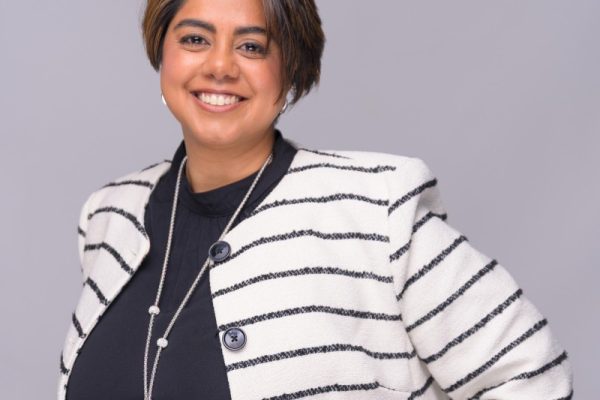
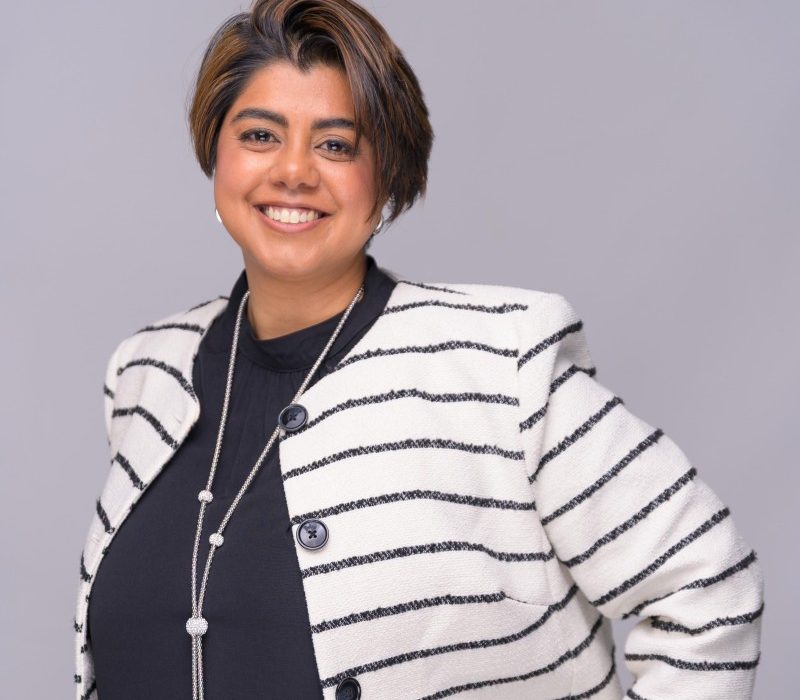
Zah’ra Moosa’s Journey From Burnout to Building a Mental Health Clinic
Thabisile Gumede 29 October 2026 For most of her career, Zah’ra Moosa’s life looked like the kind of success story South Africa celebrates without question. A qualified Chartered Accountant, she built her early years in the demanding, high-pressure world of corporate finance, working at firms including Deloitte and Citi. On paper, everything was on track….
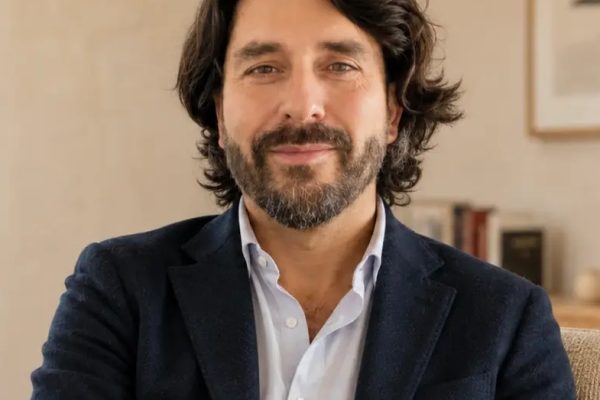
The Eyes We Inherit – When self-awareness becomes self-surveillance
Alessandro Carmelita 28 October 2026 The first mirror we encounter is not made of glass. Long before we recognise our own reflection, we begin discovering who we are through the eyes of others. A mother’s smile. A father’s disappointment. The warmth of being welcomed. The discomfort of feeling that something about us is unacceptable. These…
When the System Can’t Reach Everyone, Community Steps In
Londiwe Buthelezi 28 October 2026 If South Africa’s mental health treatment gap is the problem, community-based and peer support models are one of the country’s most promising answers, not as a replacement for professional care, but as a bridge to it. With only 0.31 psychiatrists per 100 000 people in the public sector, the formal…

Ukubuyela Emsebenzini Emuva Kokugula Ngokwengqondo
Thembelihle Zwane 26 October 2026 Njalo ngonyaka ngomhlaka 27 October, umhlaba wonke ugubha Usuku Lwezokwelashwa Kwemisebenzi (World Occupational Therapy Day). Kulonyaka lolusuku kulonyaka lugujwa ngaphansi kwesihloko se- World Federation of Occupational Therapists esithi “Ukubamba Iqhaza Kubalulekile” (Participation Matters). Lolu suku lugqamisa ukubaluleka kwabantu abasiza abanye ukuba baphile impilo eyejwayelekile, bakwazi nokuzimela emsebenzini naphezu kobuningi bomsebenzi…

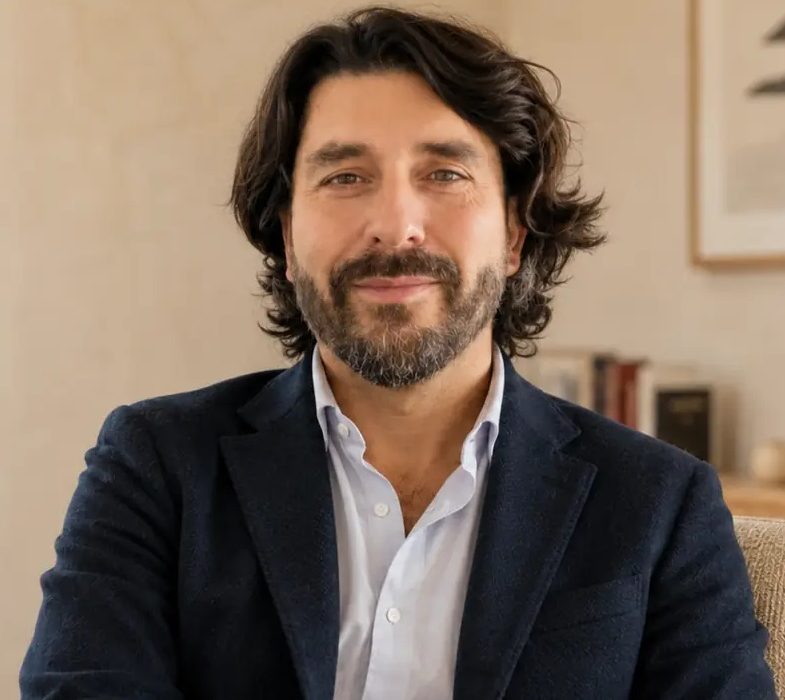
Acceptance: Putting Energy Where It Can Matter
Dr. Krisztián Galánthai Fekete 21 October 2026 Some days, the most tiring thing we do is not our work. It is the quiet argument we keep having with things that will not change. The traffic should have been lighter. A family member should see things our way by now. Each thought takes a moment; together…
The Treatment Gap: Why Most South Africans With Mental Illness Never Get Help
Londiwe Buthelezi 21 October 2026 Access to mental healthcare in South Africa is not a hypothetical policy debate; it is a daily, measurable reality, and the numbers behind it are stark. According to the South African Society of Psychiatrists (SASOP), as many as 92 percent of South Africans living with a mental health condition do…
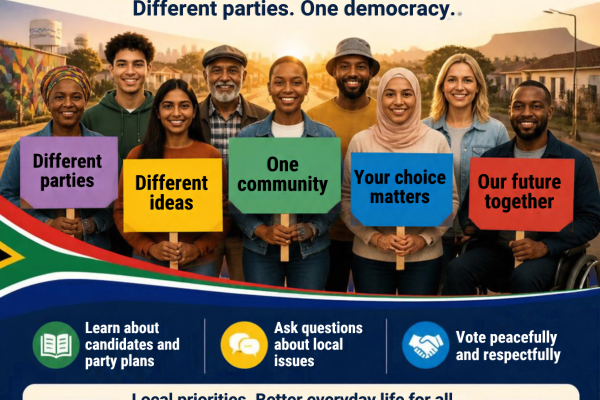
Okungekho Kumanifesto: Yini Amaqembu Epolitiki Angakusho Ngempilo Yengqondo
Thembelihle Zwane 20 October 2026 Njengoba abantu baseNingizimu Afrika belungiselela ukuvota okhethweni loHulumeni basekhaya ngomhla ka-4 kuNovemba, amaqembu amakhulu asebenzise izinyanga ezedlule ekhipha imihlahlandlela yayo (amamanifesto) agcwele izithembiso ngamanzi, ugesi, imigwaqo nokuqoqwa kwemfucuza. Okube nzima kakhulu ukukuthola, cishe kuyo yonke imicimbi yokwethulwa kwamamanifesto amakhulu kulo nyaka, yizibophezelo eziqondile, ezisobala mayelana nempilo yengqondo. Imanifesto ye-ANC, eyethulwa…
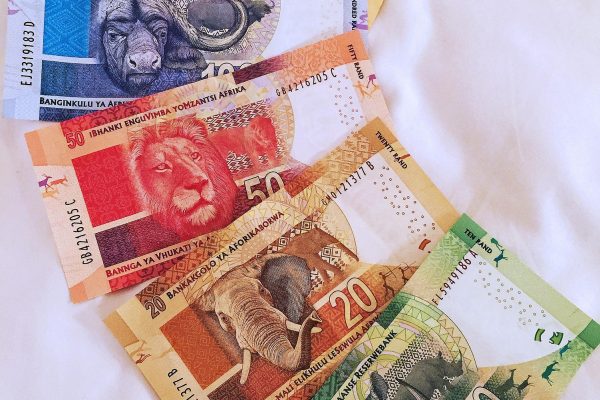
The quiet cost of keeping afloat: how money worries wear on the mind
Thembelihle Zwane 19 October 2026 Paying every bill on time does not always mean you are coping. For many South Africans, the real strain lies in living with almost no margin for error, where each swipe, debit order and surprise expense sets off another round of mental arithmetic. The national figures show how common this…
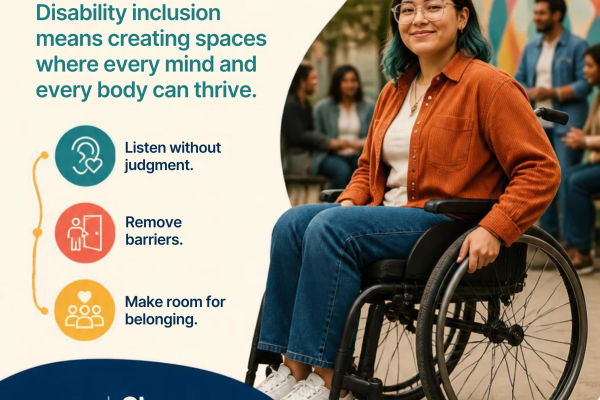
Seen but Not Supported: Mental Health and Disability Inclusion in South Africa
Londiwe Buthelezi 19 October 2026 Nomvula, a woman in her thirties, has used a wheelchair since a car accident a decade ago. Her physical disability is visible and, in many ways, accommodated; her workplace has a ramp, and her building has an accessible bathroom. What is far less visible, and far less accommodated, is the…