Thabisile Gumede
4 September 2026
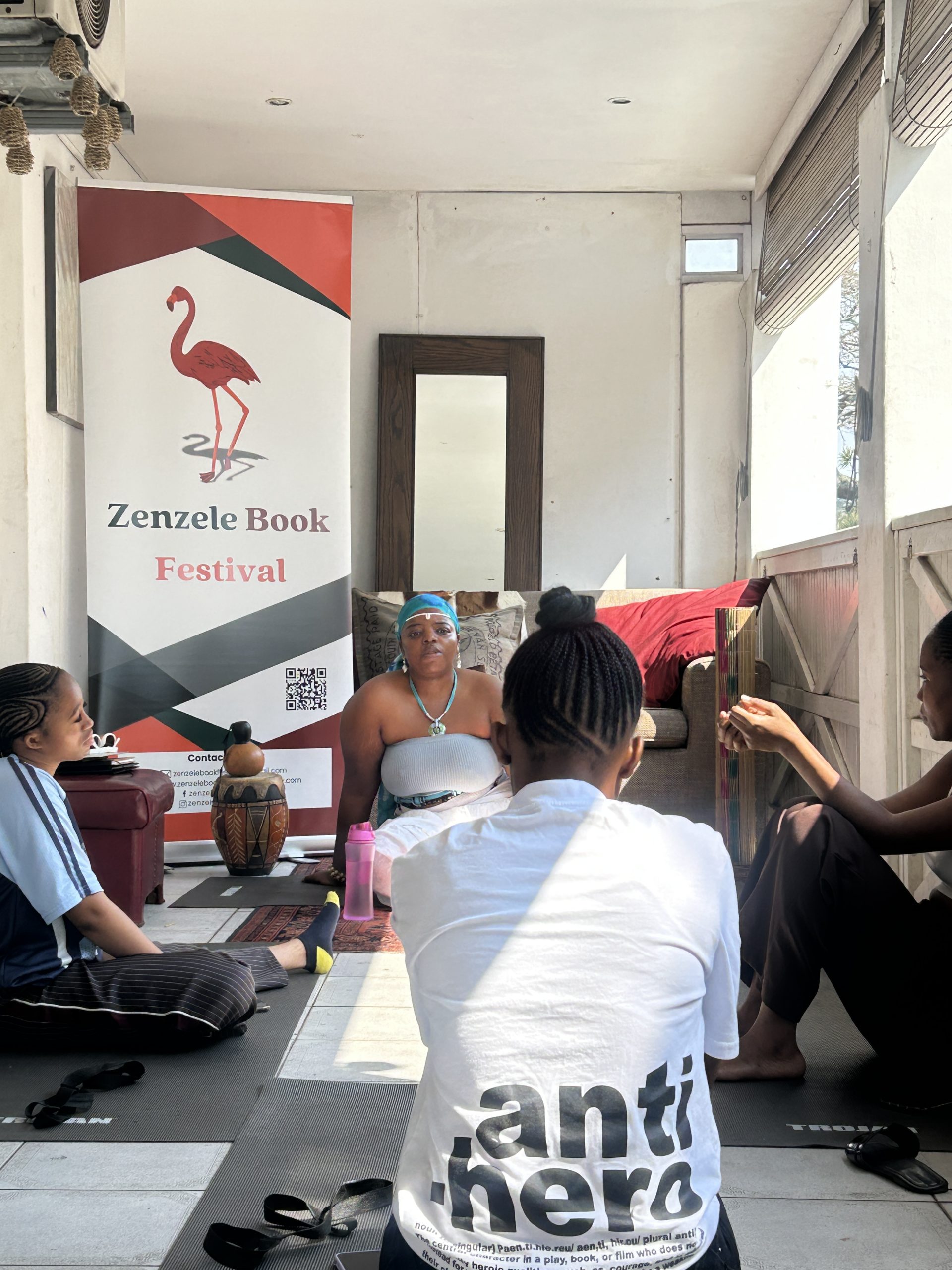
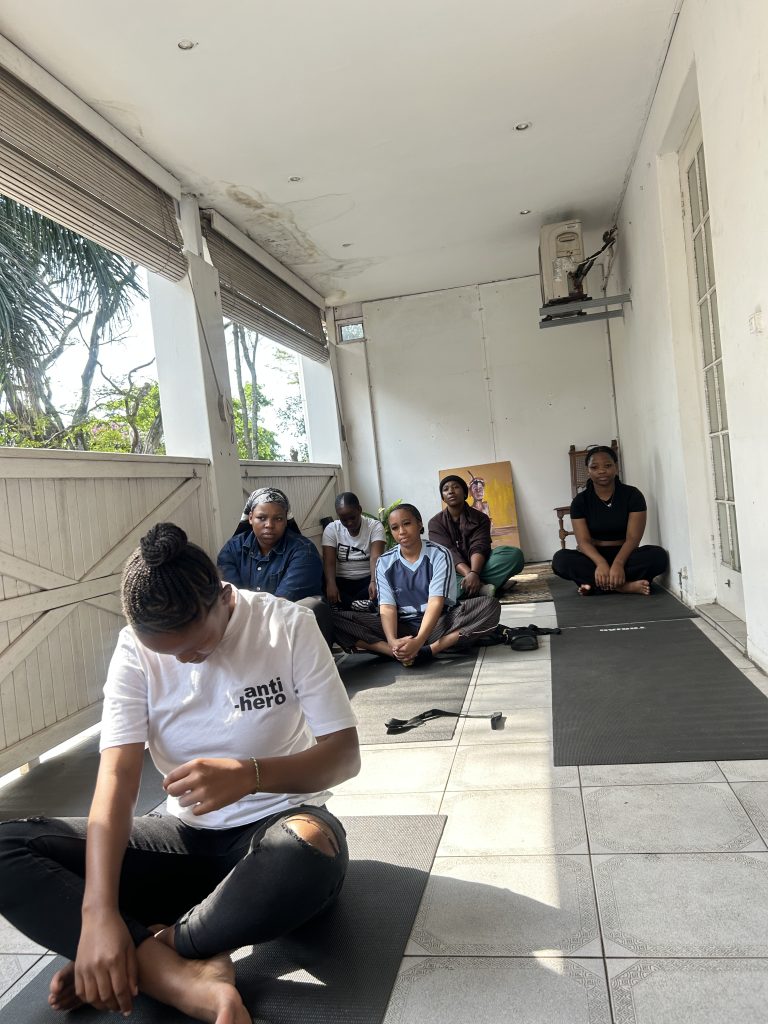
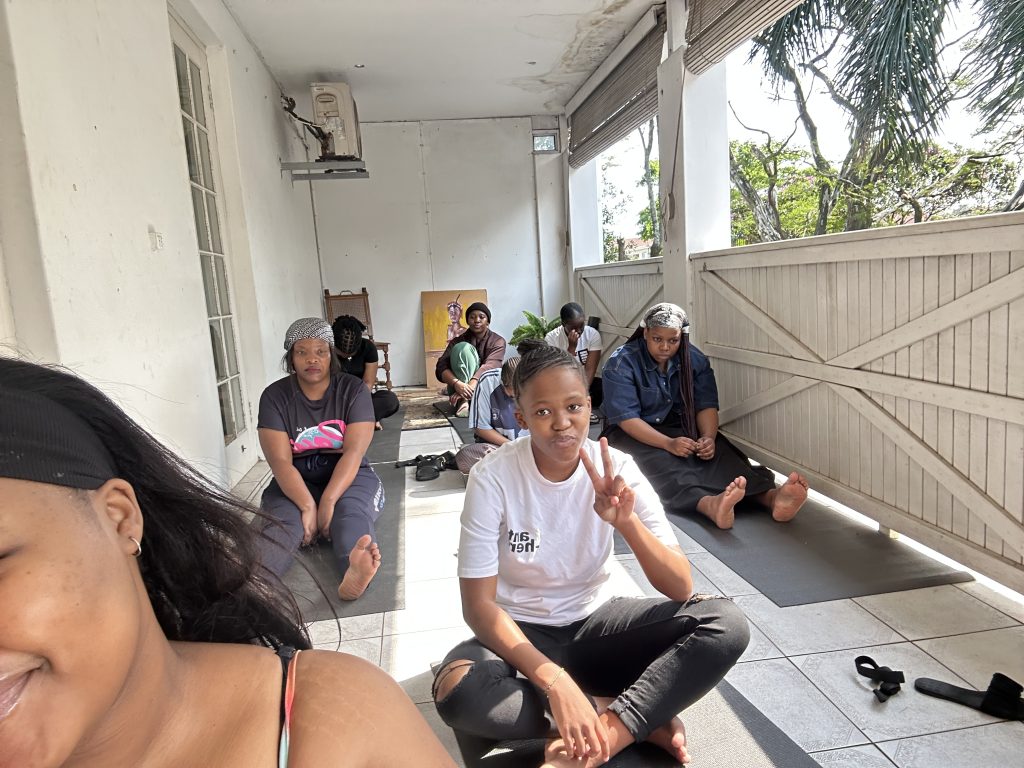
On 30 August, ten women gathered on a sunlit veranda at the Mazisi Kunene Museum in Durban, mats rolled out beside stacks of books, for an experiment Zenzele Book Festival founder Andiswa Mpulo had been carrying in her heart for years: what happens when we treat reading as seriously as we treat rest?
“As the founder of Zenzele Book Festival, this project is deeply personal to me – it brings together my work in literature, wellness and culture,” says Andiswa Mpulo. “I believe books can be part of our healing, and I want to create more spaces where literature, wellness and indigenous knowledge can meet.”
It’s a conviction backed by more than sentiment. Bibliotherapy – using books and literature alongside more conventional therapy to support mental health – is a recognised clinical approach, and research suggests reading fiction in particular can help people process difficult experiences, build empathy and see their own lives with more flexibility. Whether guided by a therapist or practised alone, returning to a book that meets you where you are is something many readers already do instinctively, long before they’d think to call it therapy.
“We often think of wellness as something physical, going to yoga, exercising, eating well or taking time to rest. But wellness also happens through what we learn, what we read, what we think about and the stories we allow ourselves to encounter,” says Andiswa.
The day began gently, with introductions designed to let participants settle without pressure to have the “right” answer. From there, facilitator Nomanzi led a yoga and grounding session focused on period pain, root chakra stability and sacral chakra opening – an invitation to return to the body and acknowledge what women are so often taught to push through in silence. The point, participants were reminded, was never perfection. It was presence, and learning that wellness sometimes simply means listening to yourself.
The Wall of Woman session turned attention outward, toward the idea of Imbokodo – the women who have shaped us. One participant spoke of her mother’s perseverance through hardship, a quiet strength she now draws on as her own motivation. Others admitted they didn’t have a single role model at all, but had instead gathered pieces of courage, kindness and ambition from many different women along the way.
Then came the heart of the day: Books That Have Healed Us. Nomanzi shared Mazisi Kunene’s Anthem of the Decades: A Zulu Epic, describing what it means to find your own language, history and culture reflected back to you in literature – and the harder question underneath it: what happens to who we are when so much of it has never been written down? Other participants opened up in turn. One spoke of healing found in an Octavia E. Butler novel. Another reflected on Hlomu: The Wife and the uncomfortable complexity of loving an abusive man, a conversation that gave language to something rarely spoken aloud. The books didn’t heal everyone the same way – some offered comfort, some understanding, some discomfort that had to be sat with. That is exactly the power of literature: it meets you honestly, wherever you are.
The afternoon moved into storytelling with Nosipho, food was shared as stories were told – a reminder that long before books existed, our histories lived in people. The day closed with The Release, games facilitated by Minenhle, proof that play is wellness too.
For Zenzele Book Festival, the session was also a first step toward a bigger question now taking shape under the theme “Isintu Sithi, Wena Uthini?” – Our culture says this, what do you say? If so much indigenous knowledge around wellness and healing has only ever lived in oral tradition, what is lost when it isn’t written down? The answer is a growing call for more isiZulu writing on indigenous healing and experience.
Because sometimes healing looks like movement. Sometimes it’s rest, or a hard conversation. And sometimes, healing is simply opening a book and discovering that someone, somewhere, already found the words for what you couldn’t say yourself.