Yolanda Mzimela
28 August 2025
Dance is more than movement – it’s a powerful language that conveys emotions, stories, and struggles often too complex for words alone. Around the world, artists are harnessing the expressive power of dance to explore and interpret mental health issues, breaking stigma and opening up conversations in creative, visceral ways.
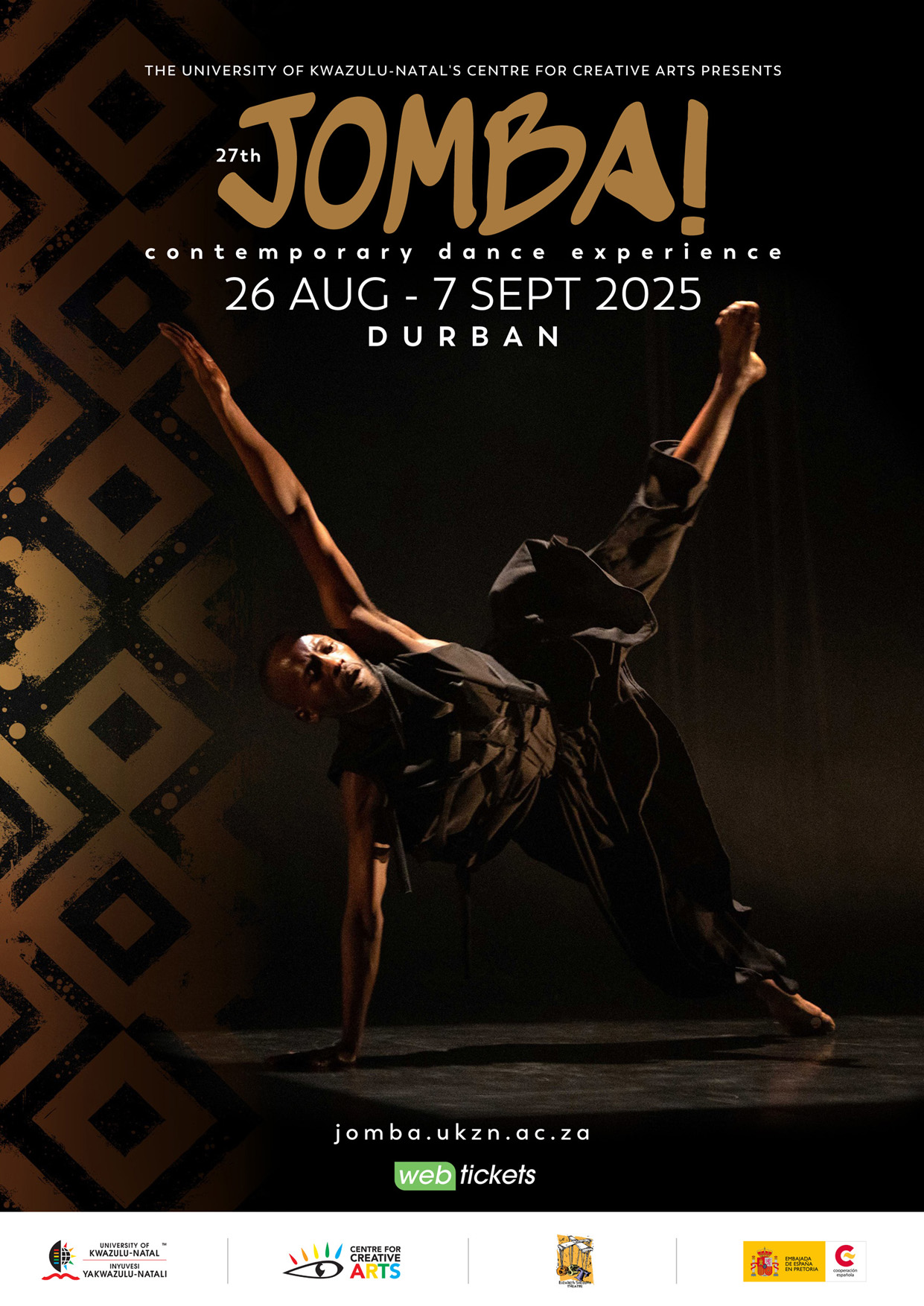
At the forefront of this movement in 2025 is the 27th Jomba! Contemporary Dance Experience in Durban. This vibrant festival, running from August 26 to September 7, 2025, is known for its groundbreaking performances and commitment to social themes, featuring several poignant works that delve into mental health through choreography, movement, and narrative.
Dance as a Mirror to the Mind
Mental health challenges like anxiety, depression, trauma, and identity crises often manifest in invisible ways. Dance brings these internal experiences into the physical realm, using the body as a canvas to externalise inner turmoil, resilience, and healing. Movements can depict fragmentation, tension, release, or flow—each gesture telling a story about the dancer’s emotional landscape.
Jomba! 2025 Highlights: Themes of Mental Health in Motion
- “Fractured Silence” by Thandi Mkhize
This solo piece powerfully portrays the isolating effects of depression. Through sharp, staccato movements contrasted with slow, heavy gestures, Mkhize embodies the push-pull of wanting connection yet feeling trapped inside one’s mind. The use of shadows and sparse lighting amplifies the mood of loneliness and internal struggle. - “Resilience in Rhythm” by The Ubuntu Collective
A group work that celebrates healing and community support in mental health recovery. The choreography incorporates traditional African dance elements fused with contemporary movements, illustrating how cultural roots and collective strength can nurture mental wellbeing. The performance culminates in a vibrant circle, symbolizing unity and shared resilience. - “Echoes of Trauma” by Sipho Dlamini
Dlamini’s piece uses repeated motifs and abrupt changes in tempo to reflect the cyclical nature of trauma and flashbacks. Dancers move in and out of sync, representing fragmented memories and the challenge of reclaiming control over one’s narrative. The raw intensity of the performance invites viewers to empathize with the complexity of trauma survivors’ experiences.
Why Dance Matters in Mental Health Discourse
Dance transcends language barriers and cultural differences, making it a universal medium for empathy and awareness. At Jomba!, the integration of mental health themes into dance underscores how art can destigmatize mental illness by making the invisible visible.
Moreover, these performances offer catharsis—not just for the dancers who channel their experiences, but for audiences who witness and connect emotionally. They remind us that mental health is a shared human journey, deserving of compassion and understanding.
Looking Ahead: The Future of Dance and Mental Health
The 2025 Jomba! festival marks a growing trend where dance companies and choreographers actively engage with mental health topics. By continuing to create spaces where these stories can be told through movement, festivals like Jomba! inspire dialogue, healing, and social change.
In a world where mental health issues often remain hidden, dance offers a bold and beautiful way to move beyond silence—inviting us all to feel, reflect, and connect.
As the dancers of Jomba! show us, sometimes the deepest stories of the mind are told not with words, but through the motion of the body.