Londiwe Buthelezi
10 September 2026
Naledi checks her phone forty-three times before she’s even out of bed. It’s 6:15 a.m. in a two-bedroom flat in Pietermaritzburg, and the first thing she sees is a notification: someone she doesn’t like has posted a photo from a party she wasn’t invited to. By the time she’s dressed, she has already compared her skin, her body, and her life to a dozen strangers. She is sixteen. This is an ordinary morning.
Her story is a composite, but the pattern behind it is not. South Africa now carries one of the highest suicide burdens on the continent, with a national rate of roughly 23.5 per 100,000 people – among the steepest in Africa, according to the Department of Women, Youth and Persons with Disabilities. Suicide accounts for about 9% of all teen deaths in the country, and SADAG estimates that one in four teenagers has attempted suicide at least once. Among high school learners, nearly one in five has attempted suicide, and close to a quarter of pupils in Grades 8 to 11 report ongoing depression and hopelessness.
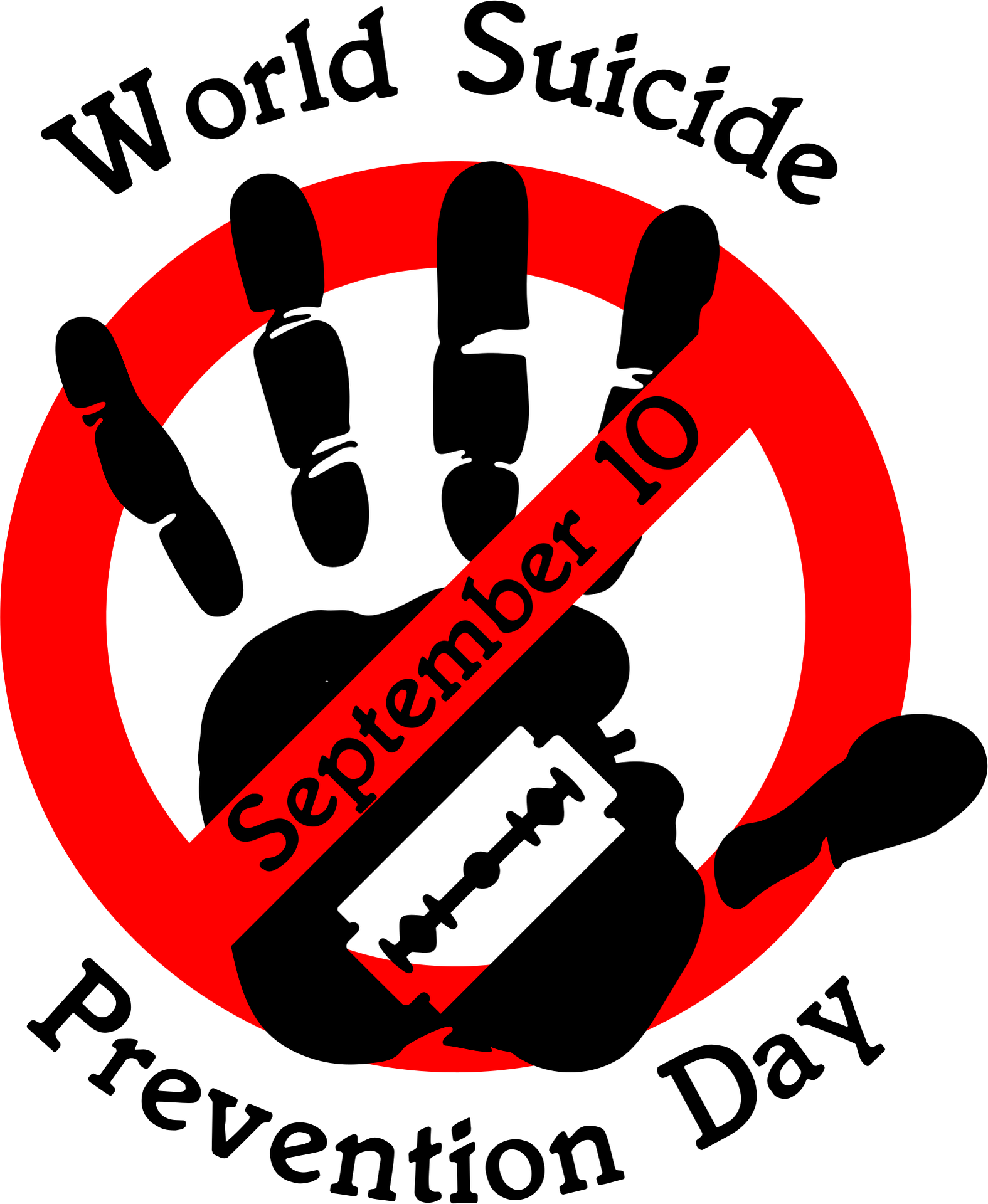
This year’s World Suicide Prevention Day, observed on 10 September under the global theme “Changing the Narrative on Suicide,” lands squarely on a generation that has never known life offline. Researchers have consistently linked heavy social media use, particularly more than two to three hours a day, to higher rates of anxiety, depression, and suicidal ideation among adolescents, with girls showing particular sensitivity to social comparison and validation-seeking, and cyberbullying compounding risk for teens already struggling with their mental health.
SADAG’s Project Manager for Education, Roshni Parbhoo-Seetha, has spoken to how often teenagers slip through the cracks not because no one is watching, but because no one is truly listening, pointing to the organisation’s “We Hear You, Silalele” campaign as an attempt to give young people spaces where they feel heard without judgement. Stellenbosch University’s Dr Jason Bantjies has separately argued that South Africa still lacks a dedicated, evidence-based national suicide prevention strategy, leaving frameworks that exist too thin to translate into real protection on the ground.
For Naledi, the danger isn’t any single post. It’s the accumulation – the quiet arithmetic of scrolling past midnight, absorbing curated lives that make her own feel smaller, and finding, on her worst nights, that the app designed to connect her to everyone leaves her feeling connected to no one. Clinical psychologists describe this as a cyclical trap: teens turn to social media to soothe low mood, only to encounter comparison and conflict that deepen it.
But the same platforms that carry risk can carry a lifeline. Isolated teenagers have found support communities, mental health information, and the words to name what they’re feeling, sometimes for the first time, through the same screens that trouble them. The difference often comes down to what surrounds a young person offline: whether an adult notices the withdrawal, the dropped grades, the sudden quiet, and asks a direct, unafraid question.
Changing the narrative starts there – not with banning phones, but with building the kind of attention and connection that competes with the feed. It means parents creating tech-free hours without exempting themselves, teachers watching for the learner who’s gone quiet, and communities treating a teenager’s distress as urgent rather than dramatic.
Naledi’s night ends, in this account, with a message to a friend instead of a scroll through someone else’s highlight reel. For the thousands of teenagers behind these numbers, that small shift, reaching toward a person instead of a screen, is often the entire difference.
If you or someone you know is struggling, SADAG’s Suicide Crisis Line is available on 0800 567 567, or SMS 31393 for a callback.
For more information on social media and teens’ mental health, you can visit: https://www.socialmediavictims.org/mental-health/suicide/