
Kgomotso Molefe
19 August 2026
I grew up in an environment that was deeply toxic. As a child, I watched my father physically abuse my mother.
Sometimes my siblings and I were too frightened to help her. There were nights when we hid in a room, terrified he would come through the door and hurt us. I remember hearing my mother screaming in the early hours of the morning, things falling and chaos unfolding around us.
What made it even more confusing was that my father was also a good father to me. I loved him, and there were moments when he cared for me and made me feel loved. I couldn’t reconcile the father I knew with the man I saw hurting my mother. As a child, I didn’t have the words to process that contradiction. I think that confusion affected how I understood love, relationships and safety.
I became a very fearful child. Whenever people visited our home, I would hide. I became afraid of men because I felt they could hurt me. I learned to stay quiet and believed mistakes were not allowed.
My mother was also struggling within an abusive relationship, and sometimes her own pain came out in the way she treated me. Because she had to work, I was raised by different nannies. They would come into my life for a few months and then leave. Another would come, and eventually leave too.
I developed a fear of attachment. I felt that people always came into my life only to disappear. These experiences shaped how I viewed relationships and marriage. I grew up associating relationships with fear, instability and pain. Instead of seeing love as a place of safety, I feared what it could become. My life became a ball of fear—I was afraid of people leaving, being hurt, making mistakes and trusting people enough to let them close. But I didn’t realise that living in so much fear was also a sign that I was not okay.
As I grew older, I became quieter and learned to bottle things up. Sometimes my diary was the only place where I could express what I was feeling.
Eventually, those unresolved experiences followed me into adulthood. I found myself in relationships with people who were abusive in ways that reminded me of what I had witnessed growing up. The abuse was not always physical; sometimes it was emotional, mental and sexual.
Then something inside me began to change.
I started losing weight because I could barely eat. I had nightmares and struggled at university. My friends became concerned because they could see how much weight I was losing. I would tell people I was on a diet, even though I knew the truth: I simply could not stomach food.
The nightmares became more frequent. Experiences from my childhood seemed to follow me into my sleep and waking life. I felt overwhelmed by what was happening inside my mind.
For a long time, I didn’t understand that I was depressed. I only knew that I was no longer myself.
Then one day, a friend pulled me aside and said, “I think you’re not okay. You need to go to the doctor. And if you’re scared, I can come with you.”
Those words became my turning point.
I finally went to see a doctor and was diagnosed with chronic depression and anxiety. The doctor explained that I had probably been struggling for much longer than I realised.
Treatment was not an immediate solution. For a long time, my body did not respond to medication, despite doctors trying different approaches. My depression became severe, and I reached a point where I no longer wanted to be alive.
Looking back, I realise that I had spent much of my life believing silence was how I survived. As a child, I learned not to speak because I did not feel safe. As an adult, I carried that same silence into my mental illness.
My diagnosis did not tell me who I was. It finally gave a name to a pain I had been carrying for years.
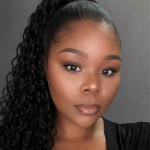
About the author: Kgomotso Molefe is a South African author whose writing explores love, mental health, addiction, resilience and the difficult experiences that can shape a person’s life. Through her books and public storytelling, she aims to encourage honest conversations about subjects that are often hidden or misunderstood. She is the author of They All Said It Was Done For Love and How Depression Sold Me to Addiction. Her work brings together personal storytelling and a desire to help readers feel seen, heard and less alone.
Sometimes our problems are meant to teach us and strengthen us to win these thing call life