Londiwe Buthelezi
7 October 2026
It began as a question set to music: Are you thinking with your brain or your hormones? On 17 September, that question filled a room at StellCare in Stellenbosch, and by the end of the week it had grown into something far more practical.
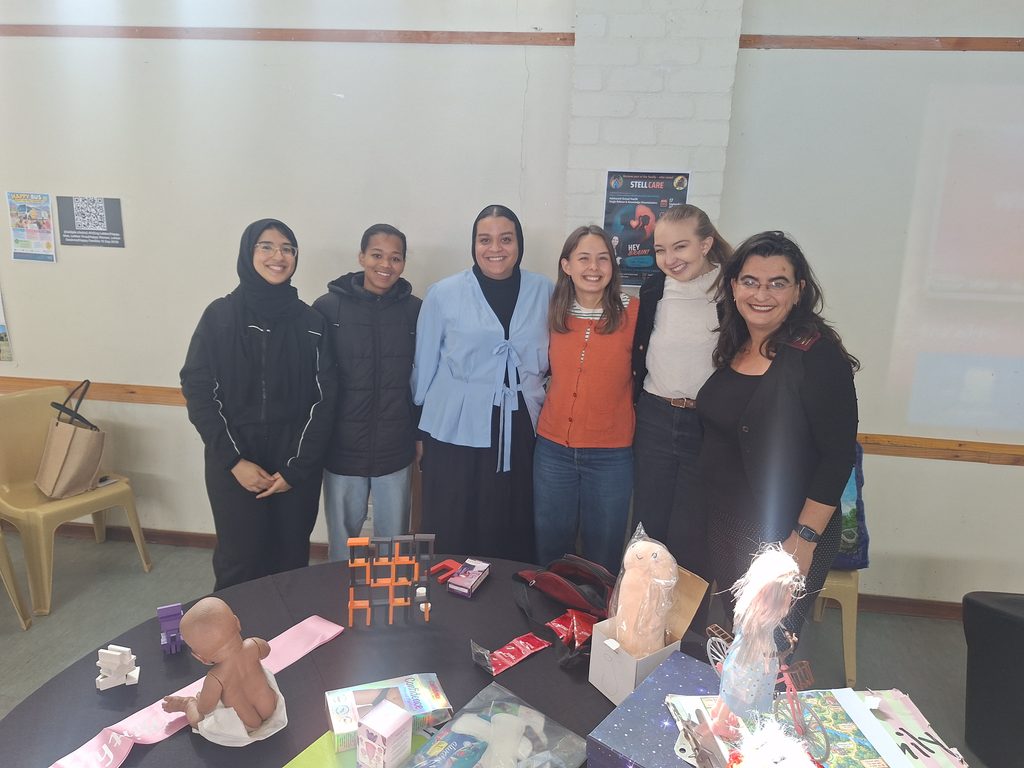
Singer-songwriter, nurse and Stellenbosch University MNurs graduate Marthie Hauptfleisch presented Hey Brain, a project built on her research into adolescent sexual-health knowledge, practices and influences in the Greater Stellenbosch area. The audience was a cross-section of the people who hold a community together: counsellors, nurses, social workers, final-year Stellenbosch University Social Work students, social auxiliary workers, and staff from diversion and parenting services, the courts, the Social Employment Fund, and Social Development and GBV coordination. Representatives from StellCare, E’Bosch and a range of nonprofits sat alongside participants from Paarl, Wellington and Melkbosstrand, as well as theology students from Stellenbosch University.
Hauptfleisch did not want her findings to stay on a library shelf. “Knowledge is not enough,” she told the gathering. “My research showed me that young people can know the facts and still struggle to use that knowledge when decisions are made. Hey Brain is about creating the conversation between knowledge, choices and real life.”
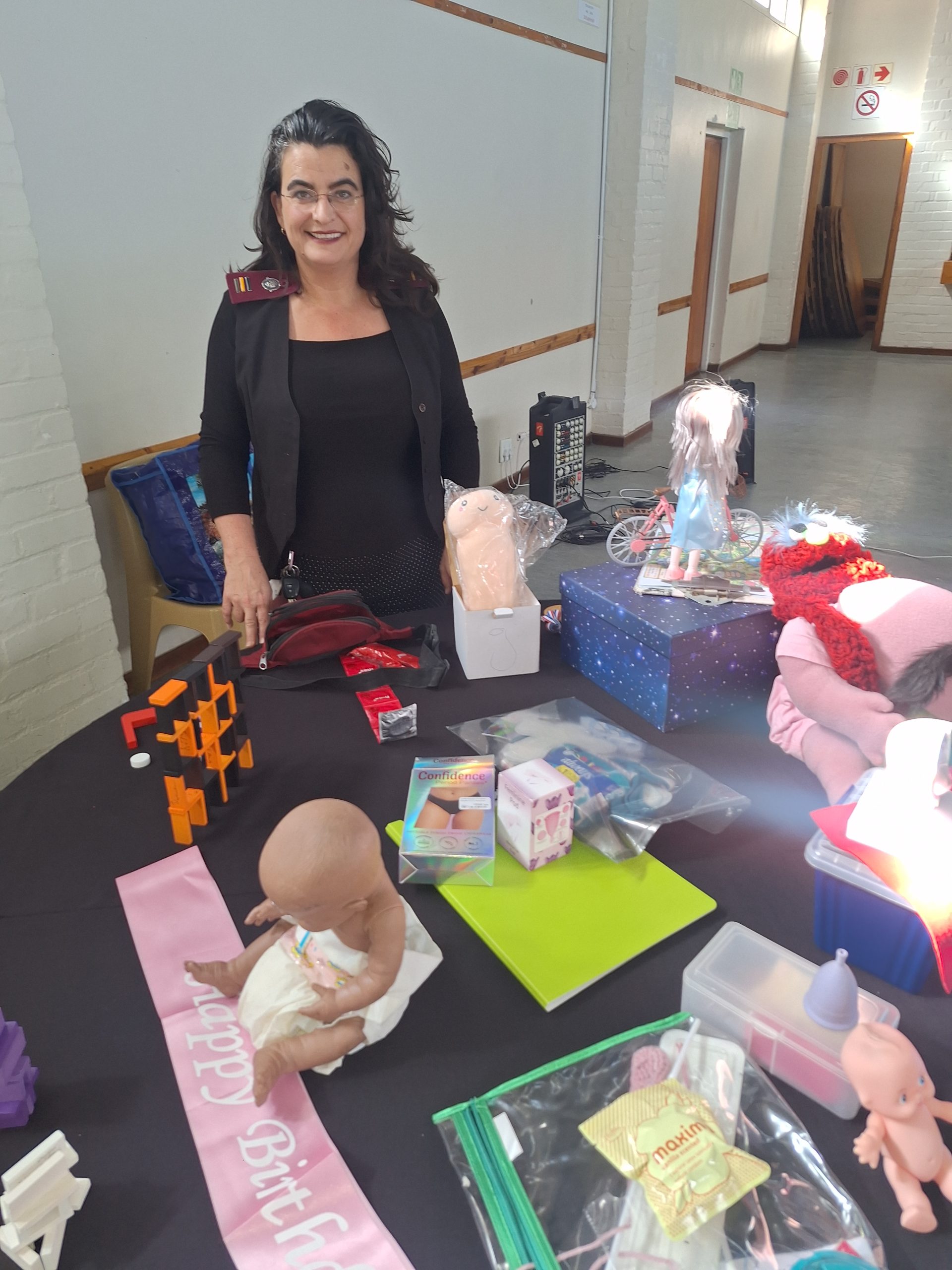
So the session was hands-on. Participants explored menstrual education, menstrual cups, male and female condoms, and longer-acting contraception, with the tools passed around rather than merely described. Opening and examining a female condom turned into an unexpectedly lively moment, and a quiet reminder that even professionals who work with families every day may never have seen some of these tools up close.
Music kept the mood open. Hauptfleisch performed the Hey Brain song and debuted a new one-minute track, “Ten (Count Them Condoms)”, written on 10 September during the FAWM Song Sprint. The playful piece turns a pack of ten condoms into a counting exercise, using humour to make an uncomfortable subject easier to raise.
After the presentation, the discussion turned to a harder question: how could the people in the room carry these tools and conversations back into the communities where they live and work? Many stayed long after the formal programme ended, examining materials, asking questions and swapping contact details.
The afternoon also launched the next phase of the work: Happy Man, Happy Woman, Happy Families – Get a Permanent Smile, sometimes called the “Happy Bus”. The initiative connects people who have made informed reproductive choices with practical access to services.
“Happy Man” focuses on vasectomy, the “permanent smile”. “Happy Woman” covers permanent contraception as well as a “five-year smile” through long-acting options such as the Mirena or IUCD. A QR code and intake link were shared at the launch so that interested people can register and community partners can spread the word.
The momentum was immediate. The day after the event, confirmation arrived for a pilot service day at Cloetesville CDC on 20 November 2026, which is World Vasectomy Day. The plan provides capacity for around 20 IUCD insertions and six vasectomies between 09:00 and 13:00, supported by the participating healthcare team.
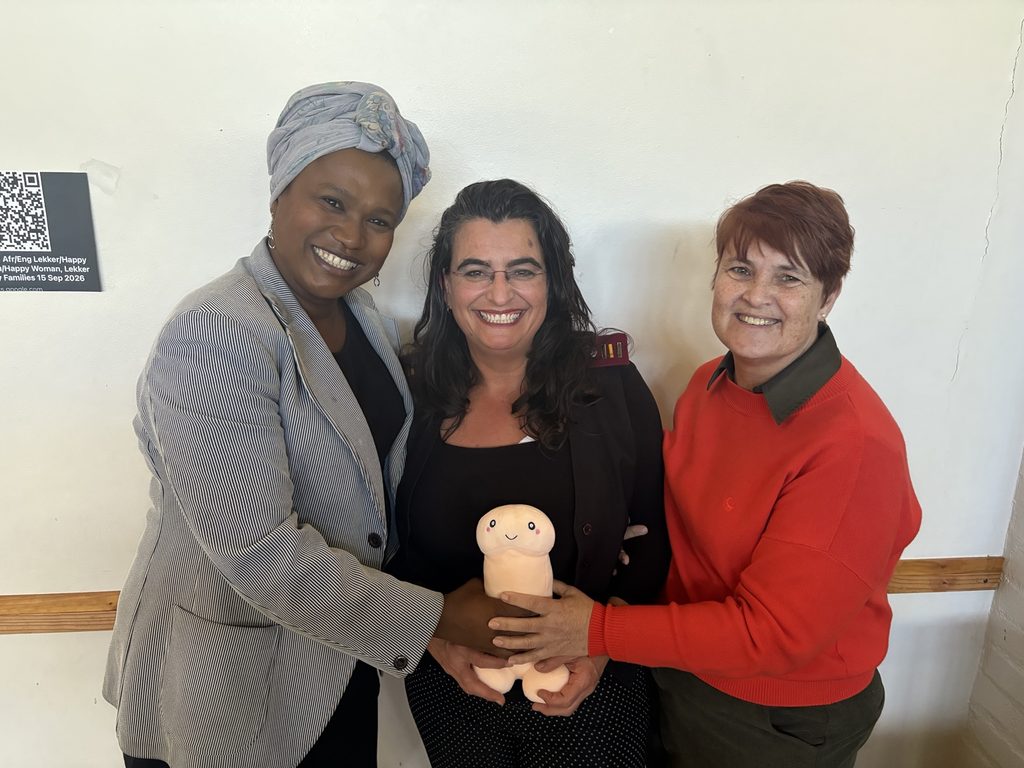
StellCare will help with community recruitment, while the project builds a pathway that covers information, choice, registration, referral, transport where needed, the procedure itself and follow-up. The Thuthuzela Centre has confirmed its willingness to take part, and the Stellenbosch Mayor’s Office has signalled support for efforts to make Stellenbosch a healthier and happier community.
For Hauptfleisch, the date on the calendar is only the beginning. “This is not meant to be one event on 20 November,” she says. “The goal is to get the pathway working, learn from it and keep it going throughout the year.”