11 November 2025
Collin Mathenjwa
I always thought of myself as mentally tough, so being diagnosed with depression shocked and confused me. Yet, through talking to others and confronting the illness head-on, I became determined to understand what I was going through.
Depression is often described through metaphors—Emily Dickinson put it into words, Goya into images—but living it is something else entirely. In 2018, after suffering losses like my mother’s death, a breakup, and moving back to South Africa, I managed to get through it all intact. But by 2022, something changed. I lost interest in almost everything. The opposite of depression, I learned, is not happiness but vitality—and mine was slipping away. Even simple tasks like eating felt overwhelming, as if I were carrying a heavy burden with every action.
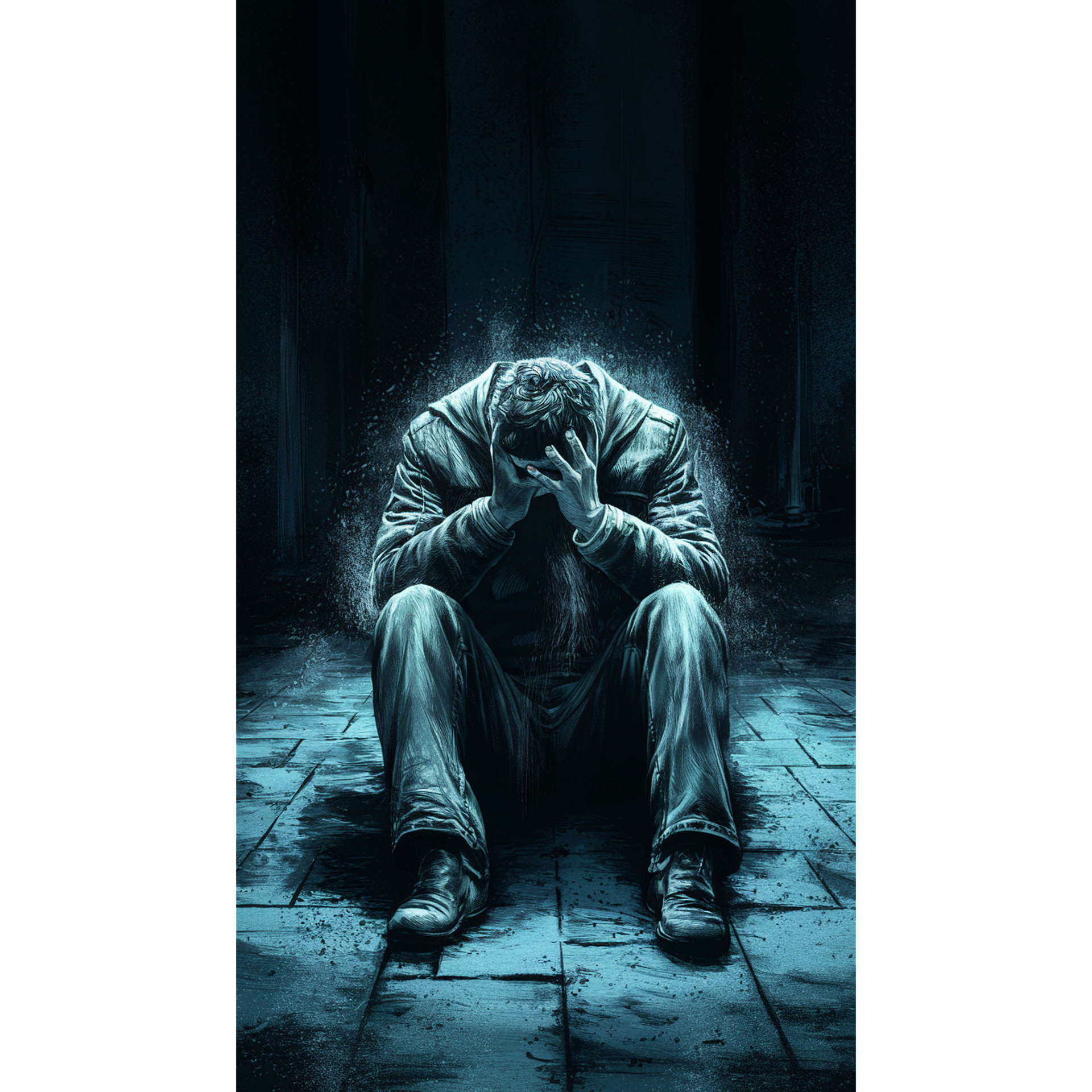
One of the strangest things about depression is how absurd it feels while you’re in it. You know others manage daily life with ease, yet you can’t. You get caught in its grip, unable to find a way out, and slowly, you do less and feel less. Then anxiety takes hold—a relentless, nameless fear lasting months, making life feel unbearable. I even found myself frozen in bed, unable to pick up the phone for help until my sister called me first.
Starting medication and therapy was a turning point, but it brought new questions: Is this medicine helping me be myself, or making me someone else? Despite having a good life and access to treatment, I experienced cycles of recovery and relapse, wondering if depression is a chemical or philosophical problem.
I spoke with a close friend who battled bipolar disorder and deep depression. She described being catatonic for days, trapped in a bleak reality. Depression convinces you that you’re seeing the truth, but that truth is a lie. People say things like “No one loves me” or “We’re all doomed,” and while these feelings are real to the sufferer, they are distorted perceptions.
When I shared my experience publicly, people asked if others treated me differently. They did—many opened up about their own or loved ones’ struggles. Depression is a word that covers a vast range, from fleeting sadness to crushing despair. It’s like the difference between a small rust spot on a fence and the fence rotting away completely.
Now, on medication, I don’t feel happy in a simplistic way, but I no longer dread everyday tasks. I feel sadness for real things—failures, broken relationships, global crises—but I also feel more alive.
What I’ve learned is that denying depression only strengthens it. The people who do best are those who accept their condition, tolerate its presence, and find resilience within it. Valuing your depression doesn’t stop relapse but makes it easier to bear. Each return becomes a harsh teacher from which you can learn something about yourself.
Depression taught me the vastness of emotion and deepened my capacity for joy. While I hate being depressed and dread its return, I’ve found a way to love my depression because it has forced me to cling to life’s reasons for living. And that, I believe, is a remarkable kind of grace.