
Gugu Madonsela
21 May 2026
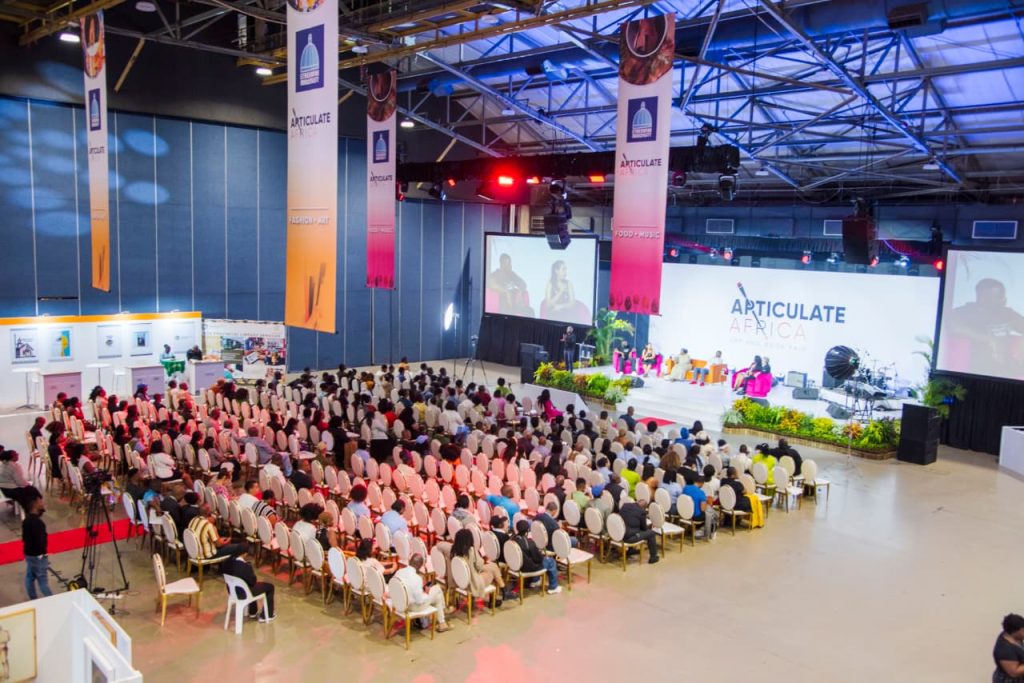
The final day of Articulate Africa, a packed three-day Art and Book Fair running from Monday through to Wednesday (18-20 May 2026), culminated in a deeply moving panel discussion that felt less like a formal presentation and more like a sanctuary for human truth. Over its multi-day program, the fair covered a vast array of diverse topics, but it was the final session that turned the spotlight intentionally toward a critical theme: Mental Health in African Communities. Led by the high-spirited and energetic moderator, Jane Linley-Thomas, the session brought together raw, lived experiences and practical clinical wisdom to gently dismantle the heavy walls of silence surrounding psychological well-being.
The heart of the afternoon belonged to author Thabisile Gumede, who captivated the audience by sharing her extraordinary 28-year journey of navigating schizophrenia. Discussing her deeply personal memoir, Inside the Concrete Bubble, Gumede wowed the room with a stunning revelation. Out of sheer desperation, and as a radical act of reclaiming her power, she chose to draft a literal contract with the 21 voices that live inside her head.
“I did it out of desperation and as a way to own my narrative and take back my life,” Gumede explained to the audience. “I refused to be controlled by the voices anymore. It was about taking back my power, which had been taken by them, and it worked.”


By setting these extraordinary internal boundaries, she finally took back the autonomy that the illness had stolen, proving that healing often begins when we choose to own our own narrative.
Adding to this mosaic of resilience was panelist Prindha Govender, author of Hanging on the Coat Tails of Jesus. Living openly with depression and anxiety, Govender illustrated how personal pain can be transformed into communal comfort. Today, she channels her journey into active love, walking alongside her fellow church members through supportive home visits and prayer. Her story beautifully demonstrated how faith and mental wellness can coexist, offering a familiar lifeline to those struggling within traditional community structures.
Bringing these powerful human stories into a framework of practical care was clinical psychologist Suntosh Pillay, who offered simple, accessible solutions for those who are struggling but have not yet been diagnosed. Understanding the unique dynamics of African communities, Pillay emphasised that the very first step toward healing is obtaining an early diagnosis.
“People should normalise talking to their GPs, clinics, and the casualty sections in government hospitals about how they feel,” Pillay noted, stressing that getting a proper diagnosis early directly results in less medication.
He further demystified the healthcare system by reminding attendees that state structures are designed to assist. “Government policy says they should screen every patient for mental health and refer them to an allocated therapist or even to Community Health Centres,” Pillay shared. He urged those who cannot afford private practitioners to make the effort to go to the right place or simply walk into a public hospital emergency room, concluding, “As long as we keep the conversations going, we shall see the difference.”