Thabisile Gumede
16 November 2025
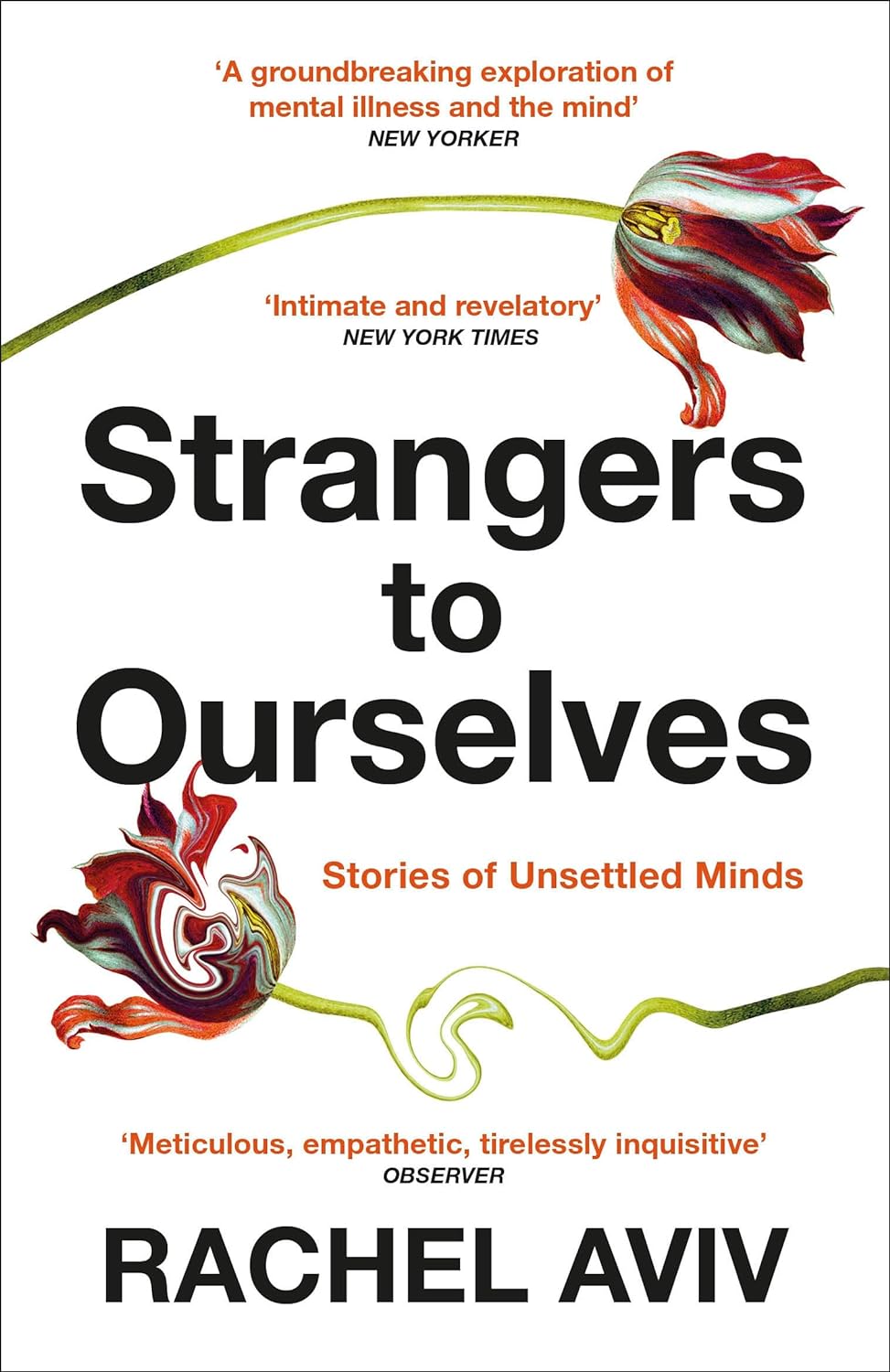
Rachel Aviv’s Strangers to Ourselves is a deeply insightful and profoundly empathetic debut that blends memoir with investigative journalism to unravel the complex realities of mental illness. Framed by Aviv’s own early encounter with anorexia, the book is centred around five richly detailed case studies, each portraying individuals wrestling with different mental health challenges. Through these stories, Aviv challenges conventional psychiatric explanations and invites readers to rethink the narratives we impose on mental suffering.
The book opens with Aviv’s personal experience as a child admitted to a hospital for anorexia, an episode that left lasting impressions and shaped her nuanced approach to mental health. Rather than offering simple answers or medical certainties, Aviv presents mental illness as an intricate interplay of biological, psychological, social, and cultural forces, resisting reductionist views.
Among the cases, we meet Ray, a man caught between the medical model and psychoanalysis, whose long and gruelling therapy highlights the limits and frustrations of seeking “cure” through insight alone. Then there is Bapu, an Indian woman whose mystical beliefs and behaviours challenge Western psychiatric definitions. Her story underscores how cultural context shapes the experience and interpretation of mental distress, revealing how her inner world felt more real and meaningful than the reality imposed by her family and doctors.
Naomi’s heartbreaking story exposes systemic racial and gender inequalities in the U.S. mental health and justice systems. After a psychotic episode resulting in tragedy, Naomi faces incarceration rather than compassionate care, illustrating how marginalised individuals are often criminalised rather than healed. In stark contrast, Laura, a privileged white woman, navigates a lifetime of diagnoses and medication, eventually rejecting her pharmaceutical regimen. Aviv reflects on the complex identity struggles that emerge when mental illness becomes intertwined with selfhood, and the ambivalence many feel toward psychiatric drugs.
Aviv’s writing is thoughtful and evocative, frequently pausing to reflect on the limitations of psychiatric labels and the importance of personal stories. She deftly illustrates that mental health institutions were not designed to address the nuanced experiences of those marginalised by society or to accommodate the cultural and existential dimensions of suffering.
One of the most compelling themes is the idea that the stories we tell about our mental health—whether of illness, identity, or recovery—can shape the course of our lives. Aviv demonstrates that these narratives can be liberating or confining, truthful or misleading, and that the “truth” of mental illness is often elusive and subjective.
Strangers to Ourselves is not a clinical textbook but a powerful meditation on what it means to be human in the face of psychological pain. Aviv’s even-handed and compassionate portrayal avoids judgment and lectures, instead fostering understanding and empathy. Her work challenges readers to reconsider mental illness beyond binaries of normal and pathological, cure and chronicity, victim and survivor.
This book is essential reading for anyone interested in mental health—clinicians, patients, caregivers, and curious readers alike. Aviv’s profound humanity and careful storytelling make Strangers to Ourselves a standout contribution to contemporary conversations about the mind, identity, and healing.