
Buhle Gigaba
3 November
Municipal elections directly impact our immediate surroundings – from our roads and water supply to safety and local services. Because the issues hit close to home, the political climate can quickly feel intense, overwhelming, and exhausting.
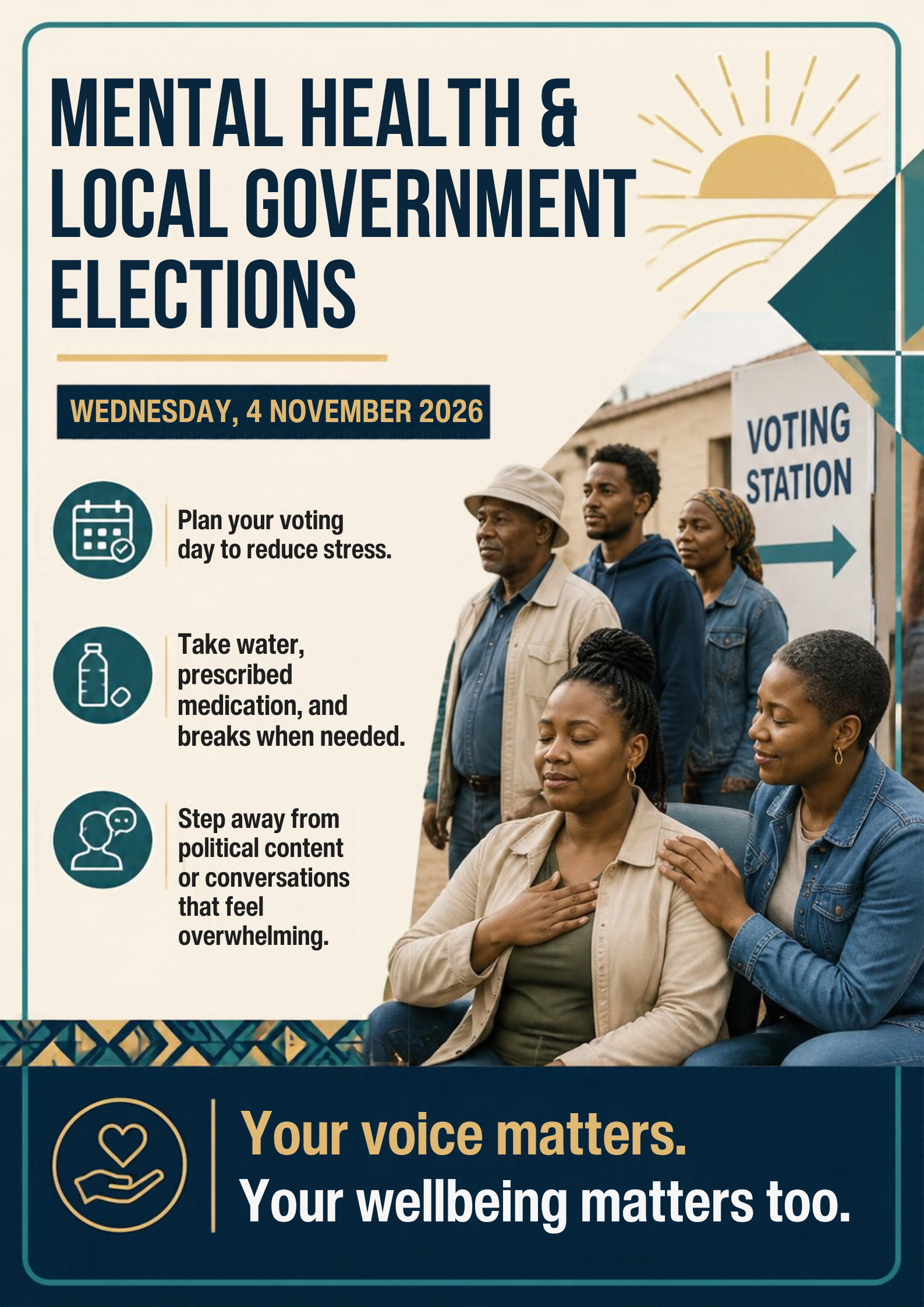
Whether you are a voter trying to stay informed without becoming overwhelmed, or a grassroots activist on the front lines of your ward, this guide offers five practical strategies to safeguard your mental well-being while staying civically engaged.
1. Establish Healthy Information Boundaries
Consuming political coverage 24/7 creates a state of chronic nervous system arousal, making every update feel like an immediate crisis.
Designate “News Windows”: Set specific times during the day (e.g., 20 minutes in the morning and afternoon) to catch up on election news. Avoid checking political news or social media first thing upon waking or right before bed.
Mute Triggering Feeds: Unfollow or mute accounts that rely on outrage, clickbait, or doom-scrolling tactics. Stick to reliable, objective news sources.
Implement Screen-Free Spaces: Keep political talk and social media browsing out of your bedroom and family mealtimes.
2. Shift from Passive Consumption to Actionable Engagement
Helplessness often stems from endlessly consuming bad news without having a direct outlet to act. Channelling your energy into concrete, local efforts helps restore a sense of agency.
Focus on What You Can Control: Rather than arguing on social media threads, focus on small, impactful actions – like checking your voter registration status, helping a neighbour get to a voting station, or attending a local ward debate.
Set Clear Activist Scope: If you are a volunteer or community organiser, define your role and set working hours. You do not need to attend every meeting or answer every late-night campaign message.
3. Ground Relationships in Shared Values
Elections can strain friendships, family dynamics, and neighbourly relations when political views diverge sharply.
Set Conversational Boundaries: It is completely okay to say, “I value our relationship, so let’s keep political discussions off the table for today.”
Focus on Shared Community Goals: Remind yourself that most neighbours share the same fundamental goals – safe streets, working infrastructure, and good schools – even if they disagree on the best political pathway to achieve them.
Know When to Disengage: If a conversation turns hostile or personal, politely excuse yourself rather than escalating the tension.
4. Practice Daily Physical and Psychological Decompression
Stress accumulates in the body. Unwinding requires deliberate routines that reset your nervous system.
Prioritise Basic Needs: Maintain regular sleep schedules, stay hydrated, and eat balanced meals. Physical fatigue significantly reduces emotional resilience.
Daily Movement: Simple physical activities – such as a 30-minute walk outside, light stretching, or sports – help process stress hormones like cortisol.
Mindfulness & Breathing: Use simple breathing techniques (like 4-7-8 breathing or box breathing) when you feel your heart rate spike during political discussions or news consumption.
5. Recognise Burnout Early and Seek Community Support
Burnout does not happen overnight; it builds through subtle signs. Catching it early prevents emotional exhaustion.
Watch for Warning Signs: Increased irritability, persistent sleep disruptions, cynicism, feelings of hopelessness, or physical headaches and muscle tension are key indicators of election fatigue.
Lean on Your Support Network: Talk to friends, family, or fellow community members about how you feel without focusing strictly on political debate.
Normalise Stepping Back: Taking a day or two off from campaign work or political reading is not a sign of giving up – it is essential maintenance so you can remain engaged for the long haul.