
Buhle Gigaba
2 November 2026
As the country gears up for the upcoming local government elections, political analysts typically focus on coalition math, ward boundaries, and campaign funding. But behind the billboarding and door-to-door canvassing lies a quieter, escalating emergency: the mental health toll on local candidates, civic activists, and residents living in neglected municipalities.
Unlike national elections – which often revolve around broad policy debates – local government elections sit directly at the doorstep of everyday life. For millions of residents, the local ward level is where governance failure directly translates into sewage in the streets, water outages, and persistent load-shedding. Experts warn that the intense hyper-locality of these campaigns creates a unique psychological crucible.
Mental health advocates emphasise that prolonged municipal collapse directly undermines psychological well-being, driving up rates of depression, anxiety, and helplessness in impacted communities.
“We tend to view municipal failures solely through an economic or political lens, but living without clean water or reliable electricity for months on end inflicts chronic stress,” explains Dr Lerato Khumalo, a clinical psychologist and public health researcher. “When election season arrives, it acts as a pressure cooker. Candidates are asking voters to trust a system that has repeatedly let them down, while residents are forced to re-live trauma and frustration every time a canvasser knocks on their door.”
Younger demographics, in particular, are bearing the brunt of election-period burnout, citing widespread distress caused by youth unemployment and deteriorating infrastructure.
The strain is not limited to voters. Ward councillors and local political aspirants operate on the frontline of community frustration, frequently facing direct hostility, online harassment, and safety threats during tense campaign cycles.
Representatives from government institutions acknowledge that the mental health burden on grassroots public servants has reached an unprecedented peak.
“Local government is the closest sphere of state power to the people, which means ward councillors absorb the raw, unfiltered anger of struggling communities daily,” says Sindisiwe Chikunga, Minister in the Presidency for Women, Youth and Persons with Disabilities. “Too many leaders and community members are carrying immense emotional pain in silence. Mental health is not a weakness, and as we head into this election cycle, we must foster spaces that offer real psychosocial support rather than letting electoral stress deepen cycles of violence and burnout.”
Recent findings from political mental health studies show that local politicians often exhibit levels of psychological distress comparable to or exceeding emergency service personnel, driven by unpredictable hours, severe public scrutiny, and high-stakes social tensions.
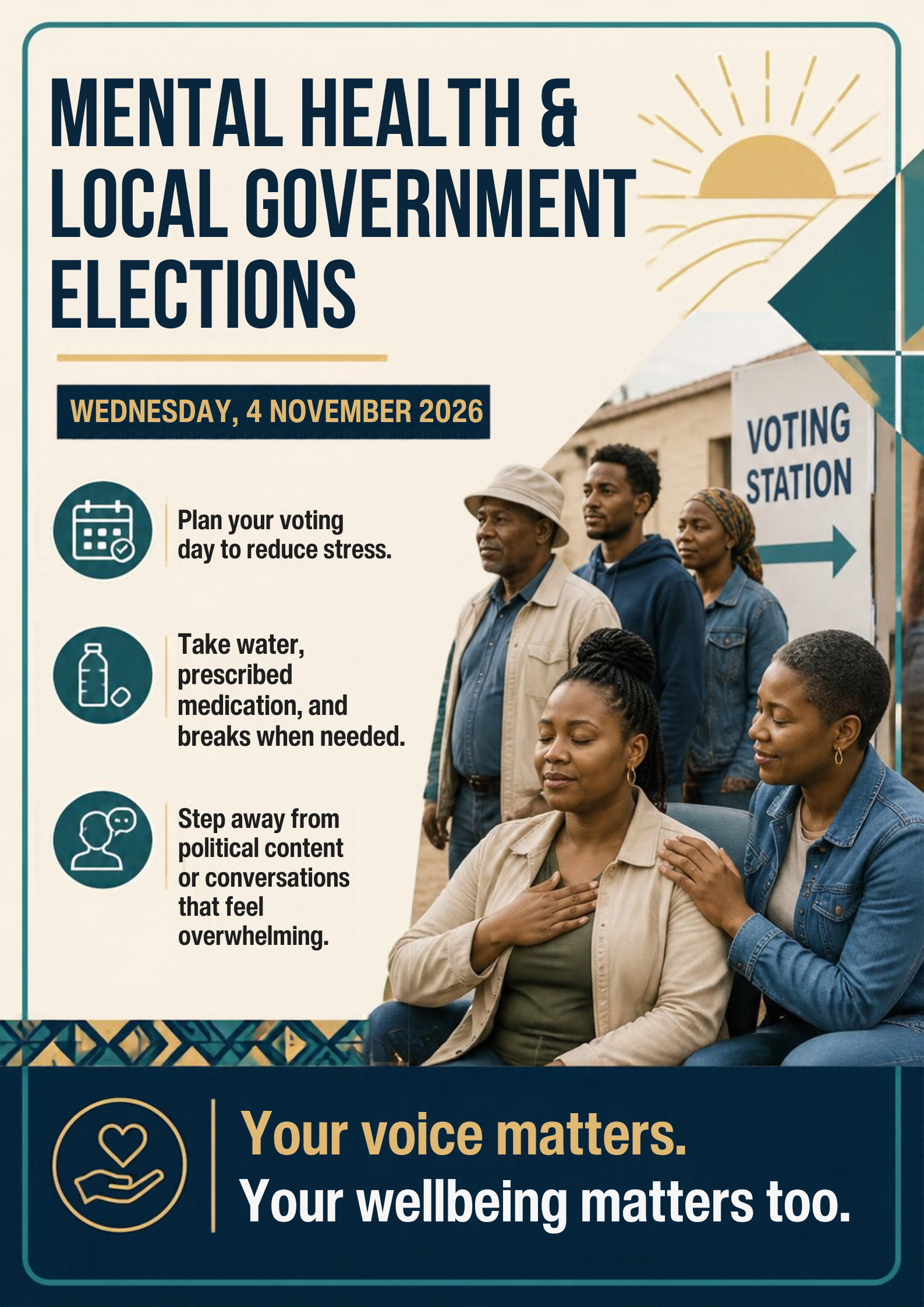
Health professionals advise voters and political participants alike to take active measures to manage emotional strain during the campaign period:
Set Information Boundaries: Limit exposure to political news cycles and heated social media comment sections, especially before bed.
Focus on Actionable Civic Engagement: Channel frustration into constructive community initiatives or vote-planning rather than continuous political debate.
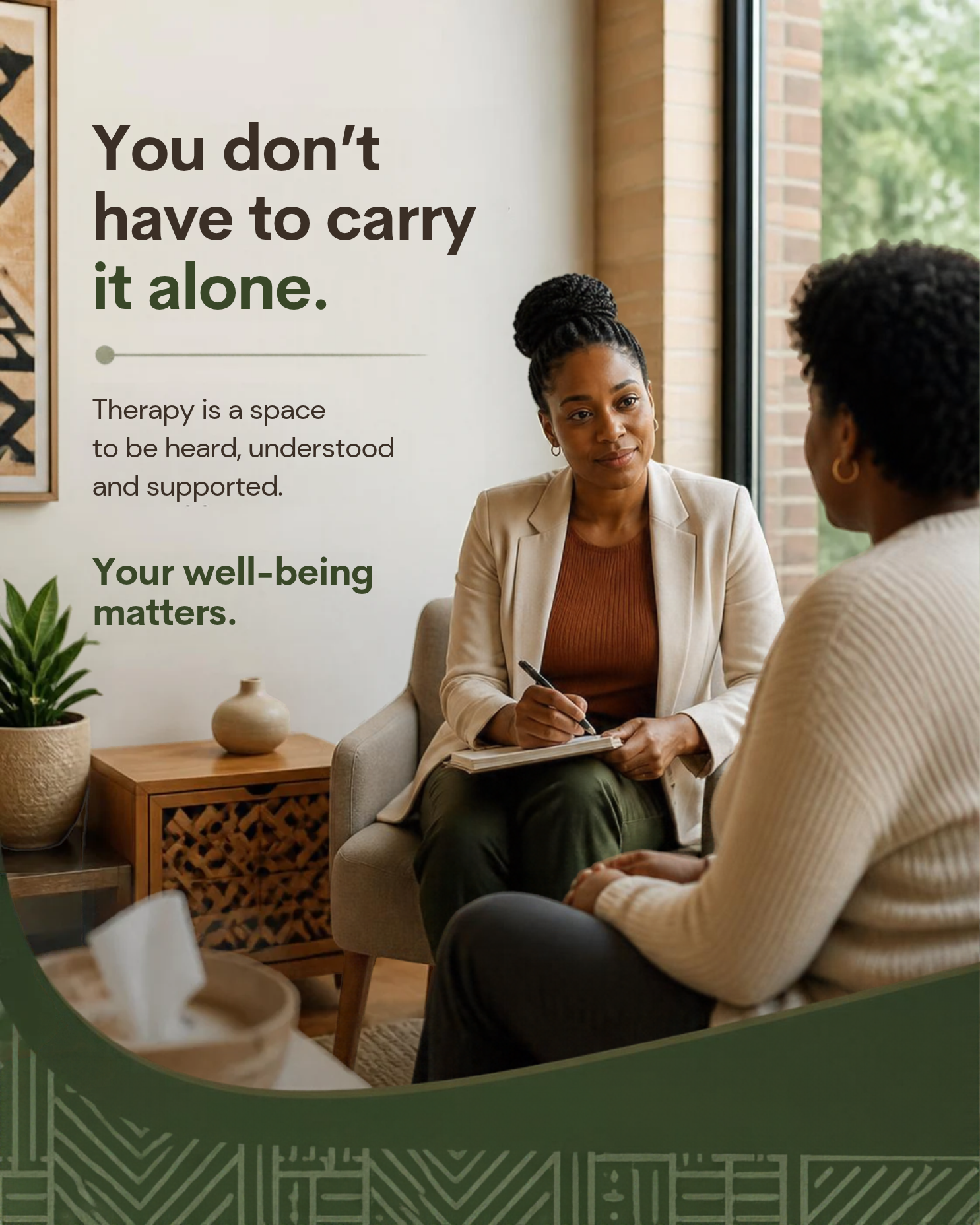
Seek Support Early: Reach out to local counsellors or dedicated crisis lifelines if election anxiety begins interfering with daily routines, work, or personal relationships.
As ward campaigns intensify across the country, experts stress that long-term municipal stability will depend not just on fixing pipes and power lines, but on safeguarding the mental resilience of the communities that rely on them.