Thabisile Gumede
17 July 2026
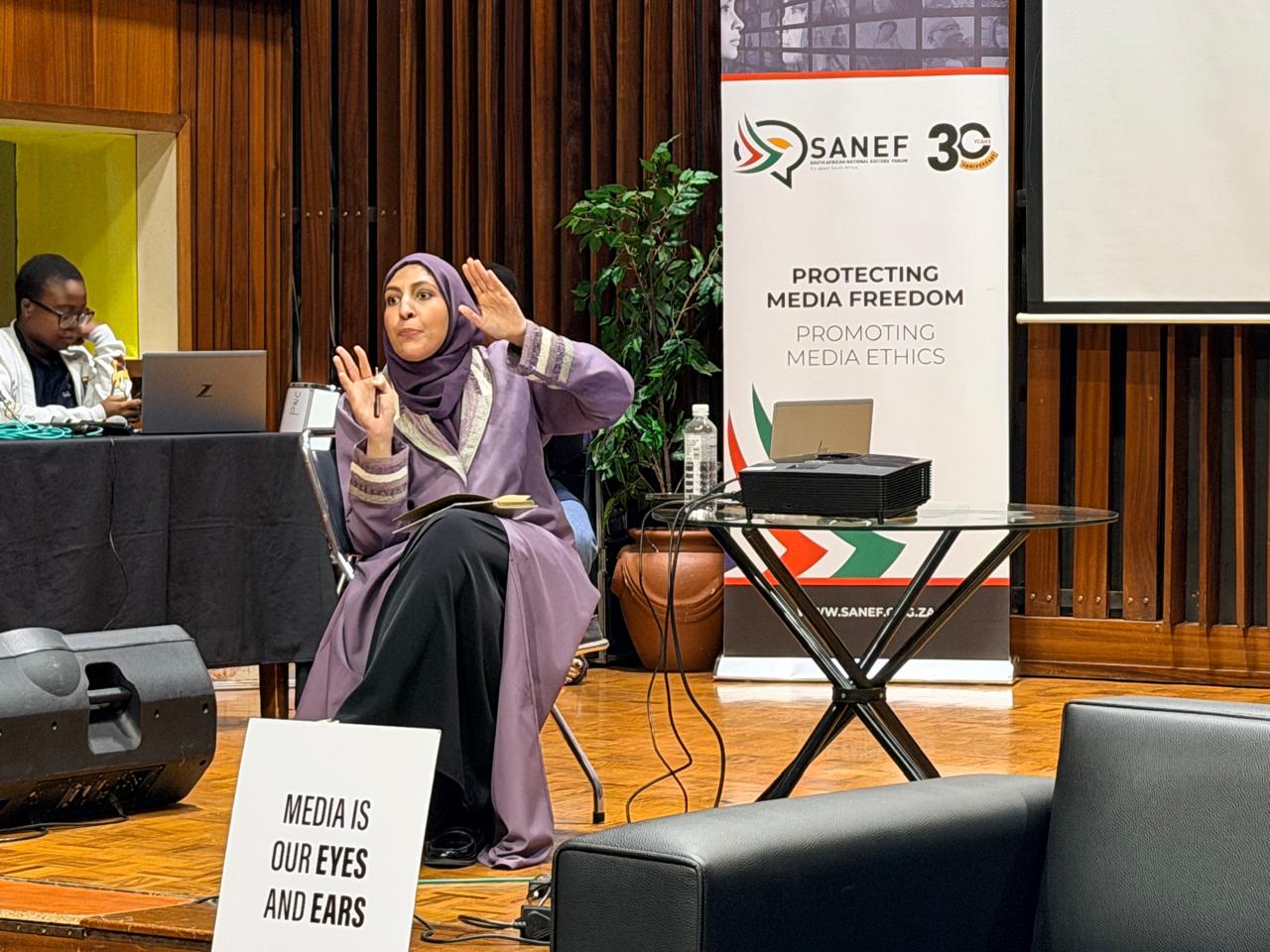
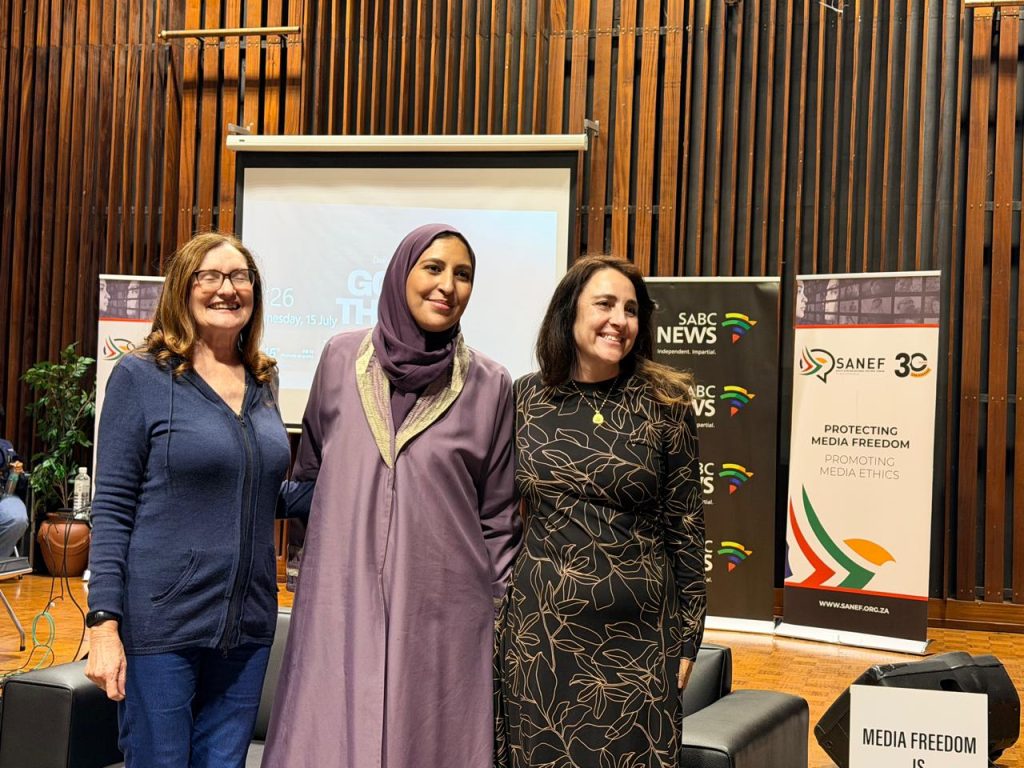
Journalists and editors gathered at the SABC KZN Regional offices on Wednesday, 15 July 2026, for a mental resilience and wellness training session hosted by the Wellness and Safety Committee of the South African National Editors’ Forum (SANEF). The workshop, run in two separate sessions for journalists and for editors, was designed to help newsroom staff navigate the emotional toll of working in high-pressure news environments.
The News Cyclone
Newly appointed SANEF Chairperson Katy Katopodis opened proceedings with a presentation on what she called “The News Cyclone” – the relentless churn of major stories that leaves journalists little room to process what they have witnessed. Katopodis illustrated the point with the story of a journalist who watched a man burn to death, then was sent straight on to cover a CBD explosion without any time to process the first tragedy.
Journalists, she noted, don’t have the luxury of “reeling” from a big story before moving to the next one. Compounding the pressure, their work is scrutinised in public and often draws abuse on social media – trolling, threats and insults. Her proposed remedy was simple but pointed: carve out time to breathe and debrief after major stories, because deadlines will always be there regardless.
Journalists as First Responders
Political journalist Qaanitah Hunter led a guided journaling session, using structured prompts to help participants reflect on their experiences, coping mechanisms and support needs. Hunter shared how a tweet about her own mental health struggles drew an overwhelming response that opened up broader conversation on the subject.
Her central argument: journalists function as first responders and deserve to be supported like one. Just as sportspeople have doctors, physiotherapists and coaches keeping them at peak performance without stigma, journalists who ask for mental health support are too often met with shame rather than understanding. Since a journalist’s craft depends on sharp cognitive functioning, she argued, protecting the mind should be treated as protecting a tool of the trade.
An Industry-Wide Issue
The workshop framed mental health not as a private struggle but as an industry-wide and press-freedom issue. Journalists are contending with retrenchments, AI disruption, online harassment, growing workloads and declining public trust in the media – on top of routine exposure to trauma.
Trained to focus outward and suppress their own emotions while working under deadline pressure, journalists are particularly vulnerable to what the session described as an unsustainable “constant emergency mode.” Trauma, participants heard, is cumulative: it isn’t one event that causes the harm, but years of repeated exposure to violence, grief, poverty, corruption, human suffering and public anger – much of it drawn from communities journalists themselves live in.
Importantly, the session stressed that trauma doesn’t require a war zone. Witnessing events, viewing graphic content, hearing difficult testimony, enduring online abuse and living under ongoing stress can all take a toll – as can “moral injury,” the frustration and hopelessness that comes from reporting on problems one has no power to fix.
Building a Resilience Toolkit
Practical tools featured throughout the session. Participants were guided through a “stress map” exercise: four circles representing work, family, finances and health, each filled in with current stressors, then sorted into what can and cannot be controlled.
The session also outlined a resilience toolkit that every journalist should have in place:
- Trusted friends
- A professional mentor
- Physical activity
- Faith or a spiritual practice
- Rest and recreation
- A financial plan
- Mental health support
The message was that resilience is a system to be built, not a fixed personality trait – and that wellness should be treated as professional development. Suggested steps for healthier newsrooms included encouraging leave, debriefing difficult assignments, normalising requests for help, and training managers to support their teams.
The workshop closed with group reflection and a question-and-answer session, giving journalists and editors space to share insights and closing thoughts.