Yolanda Mzimela
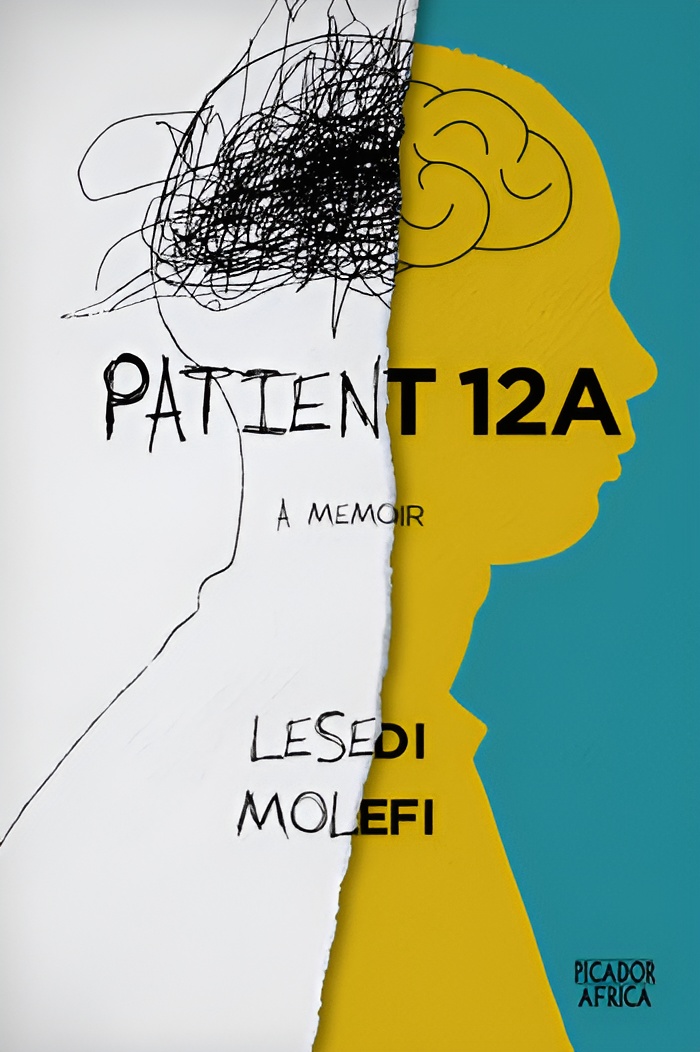
Patient 12A is a deeply personal and evocative memoir by Lesedi Molefi, chronicling his time in a psychiatric clinic in 2016 and reflecting on how childhood experiences profoundly shaped the adult he became. With remarkable vulnerability and candour, Molefi invites readers into his chaotic past and the mental health struggles that led him to seek treatment at Akeso Clinic in Johannesburg.
The book serves as both a personal history and a poignant commentary on the persistent stigma surrounding mental illness in black families. Molefi’s narrative is a raw exploration of abandonment, undiagnosed mental health challenges, displacement, and hunger, juxtaposed with themes of loyalty, creativity, and self-belief. His story reveals the complex realities faced by many South Africans, highlighting systemic inequalities, poverty, and fractured familial relationships that exacerbate mental health struggles.
One of the memoir’s most compelling features is Molefi’s portrayal of “the noise”—the tumultuous inner dialogue and mental chaos that he navigates. This literary device masterfully guides readers through his memories and present-day reflections, offering an intimate understanding of his cognitive and emotional landscape.
Molefi also captures the unique community within the mental health facility: a diverse group of South Africans who support each other through shared trauma and formal therapy. Yet, the clinic remains a microcosm of broader societal divisions, with race, gender, and stigma influencing the patients’ experiences.
The memoir avoids simplistic self-help clichés, instead offering a nuanced, honest account of mental illness and recovery. Molefi’s writing is poetic, brutal, and unflinchingly honest, challenging readers to confront uncomfortable truths about mental health. His reflections on family—particularly his mother and sisters—form the emotional core of the book, illustrating the complexities of love, protection, and loss.
Patient 12A is a testament to the courage required to face inner battles and the possibility of healing even in dark times. Molefi’s storytelling is gripping and heartfelt, making it a crucial read for anyone seeking to understand the intersections of mental health, trauma, and social context in contemporary South Africa.