“Love does not need more effort, it needs more healing.”
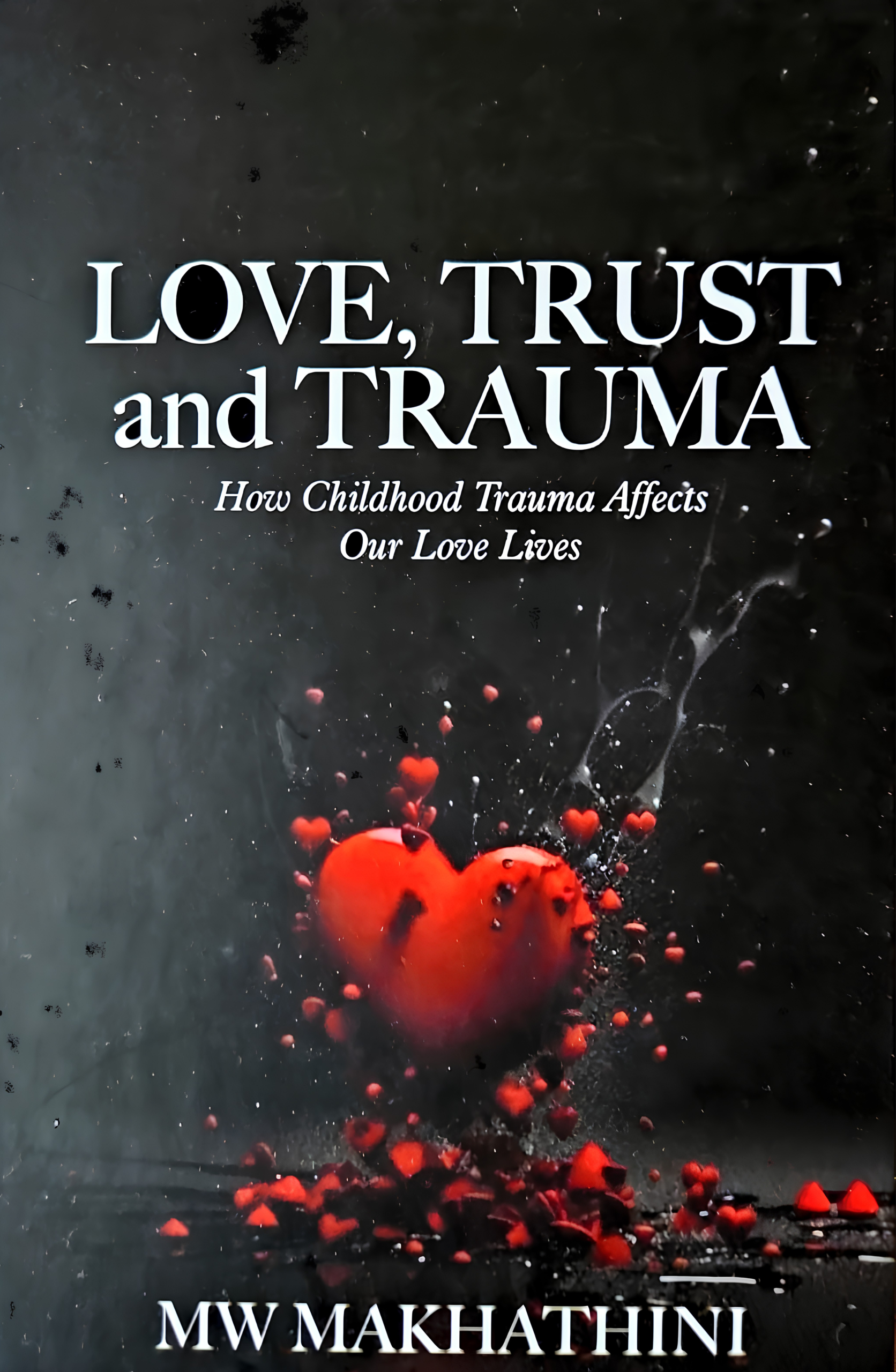
This profound core premise anchors M.W. Makhathini’s groundbreaking relationship guide, “Love, Trust and Trauma – How childhood trauma affects our love lives.” For anyone who has ever wondered why they keep repeating the same destructive relationship patterns, why they find themselves drawn to emotionally unavailable partners, or why minor disagreements with a spouse rapidly escalate into devastating conflicts, Makhathini provides a sobering, profoundly compassionate answer. The issue isn’t a lack of effort or a shortage of love – it is the unaddressed interference of childhood trauma and attachment wounds masquerading as adult relationship dynamics.
Makhathini masterfully blends contemporary psychology with timeless biblical wisdom to create a comprehensive, trauma-informed framework for building emotional safety. The author unpacks a deeply uncomfortable but liberating truth: for a traumatised psyche, familiar pain often feels safer than healthy love. When a child grows up in an environment where love is volatile, conditional, or withholding, their nervous system wires itself to equate chaos with intimacy. As an adult, healthy, stable love can feel foreign, boring, or even terrifying, prompting them to subconsciously choose partners who recreate their childhood wounds.
The book meticulously traces how these early attachment styles shape our choices, showing readers how low self-worth quietly dictates who we allow into our lives. Makhathini doesn’t just diagnose the problem; he gives language to pain that many readers have carried for decades without ever fully naming.
One of the most illuminating sections of the book explores the anatomy of conflict. Makhathini explains how emotional triggers act as psychological time-machines, instantly hijacking a current relationship disagreement and transforming it into a historical survival battle.
When a partner withdraws or raises their voice, it isn’t just the present argument causing distress – it is the wounded child within reacting to perceived abandonment or danger. By shifting from survival mode into conscious awareness, readers learn how trauma-informed relationships actually function: not by being entirely free of triggers, but by establishing emotional safety as the non-negotiable foundation for intimacy.
What sets Love, Trust and Trauma apart from standard self-help literature is its remarkably mature execution. Makhathini walks a tightrope that many authors fail to navigate, seamlessly integrating spiritual restoration with psychological healing without using one to invalidate the other.
Instead of offering toxic positivity, quick fixes, or superficial spiritual bypasses (“just pray it away”), Makhathini respects the complexity of the human nervous system and the depth of emotional scars. It is a sober, structured path forward.
Love, Trust and Trauma is designed to be experienced, not just read. Every chapter serves as a mirror where you will vividly recognise yourself, your current partner, or your past. While some sections deeply challenge long-held beliefs about love and sacrifice, Makhathini provides a gentle landing by embedding practical exercises directly into the text.
The book contains:
- Reflective Prompts: To help readers pinpoint their specific attachment styles and emotional conditioning.
- Practical Exercises: Tailored for both individuals trying to break cycles and couples stuck in patterns of conflict and emotional distance.
- Healing Declarations & Prayers: Rooted in biblical truths to restore a fractured sense of self-worth and build a secure spiritual foundation.
M.W. Makhathini has written an essential manual for anyone ready to exit survival mode and enter into secure, thriving partnerships. Whether you are single and healing from a string of painful relationships, or part of a couple trying to bridge a growing emotional chasm, this book offers the language, tools, and spiritual depth necessary to transform your love life. It reminds us that real intimacy is built on safety, and that healing our past is the greatest act of love we can offer our future.