
Samke Dladla
16 November 2026
Every season brings the same promises in fresh packaging: detox teas, fat burners, skipping breakfast, no carbs after 6 pm. The global weight loss industry is worth an estimated $250 billion a year, yet roughly 95% of dieters regain the weight they lose within five years. If you have ever felt that the quick fixes leave you worse off, you are not imagining it. Here is what experts say is worth doing instead.
1. Nourish yourself instead of cutting back
Keri Rudolph, founder and CEO of The IV Bar, says the trouble starts with how we think about food. “We have been sold the idea that eating less is always better, but severe calorie restriction is not sustainable. People end up hungry, tired, and stuck in a binge-and-restrict cycle. The question should never be how little I can eat. It should be, ‘What can I eat consistently that still supports my body?”
Research backs this up. Very low-calorie diets can slow resting metabolic rate by up to 15%, which makes it harder to keep weight off over time. Skipping meals is no shortcut either. People who skip breakfast often eat more later in the day and make poorer food choices when they are overly hungry. Regular, satisfying meals are a form of self-care, not a setback.
2. Skip the detox and trust your body
Juice cleanses and detox teas promise a fresh start, but Rudolph is blunt about them. “Your liver and kidneys have been detoxing you since birth. A juice cleanse does not switch on a process that is already running. What people see on the scale following a ‘detox cleanse’ is usually water and glycogen loss, not fat loss.”
3. Be a sceptic when it comes to supplements
A 2023 review of weight loss products found that most ingredients had weak or inconclusive evidence, and some carried real safety risks. Before you buy, remember Rudolph’s advice: “If a product promises effortless weight loss, ask where the evidence is,” Rudolph says.
4. Move for the joy of it, but do not rely on it alone
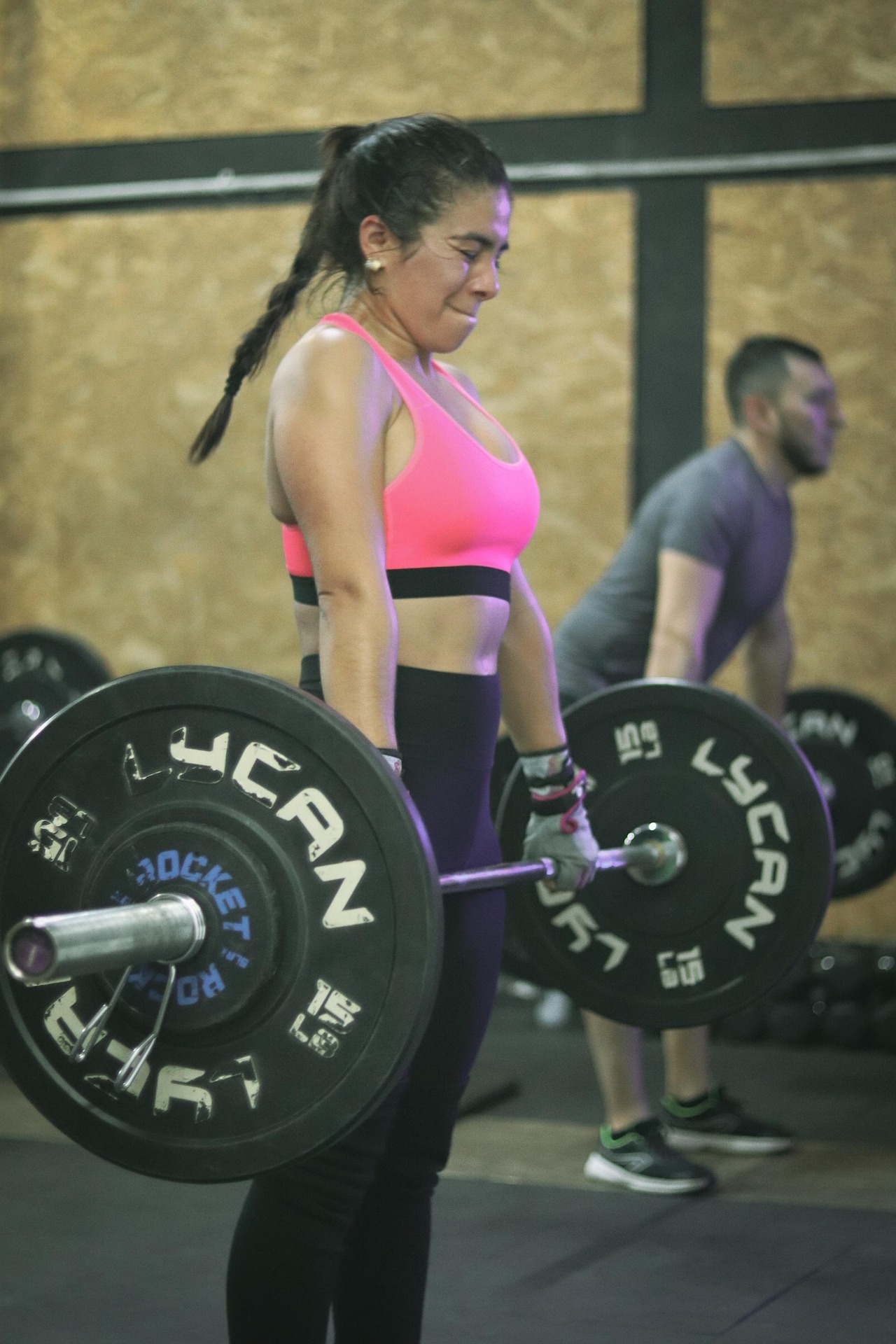
Regular movement is good for your body and your mood, but it cannot undo a poor diet. A 2021 study found that people can overestimate the calories they burn through exercise by up to four times, and often eat back more than they burned. Choose activities you enjoy and see them as one part of the bigger picture.
5. Go back to the basics
So what does work? Rudolph points to the fundamentals. “Eat well, move regularly, sleep enough, manage stress, and be consistent. Even modest weight loss of 5% to 10% of body weight can meaningfully improve blood pressure, blood sugar and cholesterol.”
Sleep and stress management are easy to overlook, but they matter as much as what is on your plate.
Be kind to yourself about biology
Rudolph also believes the growing conversation around GLP-1 medications has changed how people think about weight. “These are prescription treatments, not magic solutions, and they are not right for everyone. But they have shown us that weight management is not simply about willpower. Biology, genetics, sleep, and stress all play a role.”
If you have been blaming yourself for past diets that did not last, this is worth remembering.
Where IV drips fit into your self-care routine
For years, weight loss has been driven by the promise of rapid results. Increasingly, the conversation is shifting to a more sustainable question: how can you support your body while building habits you can realistically keep up? This is where personalised wellness support is entering the picture.
When administered by registered nurses, IV vitamin drips offer tailored hydration and nutrient support that can complement a broader wellness routine. They are not a weight-loss treatment in themselves, but hydration, nutrient replenishment, energy support and recovery can all be part of looking after yourself. Think of them as a complementary layer on top of balanced nutrition, regular movement, adequate sleep and consistent lifestyle changes, never a substitute for them.
The takeaway
“The best approach is not the fastest one. It is the one you can maintain six months from now,” concludes Rudolph.